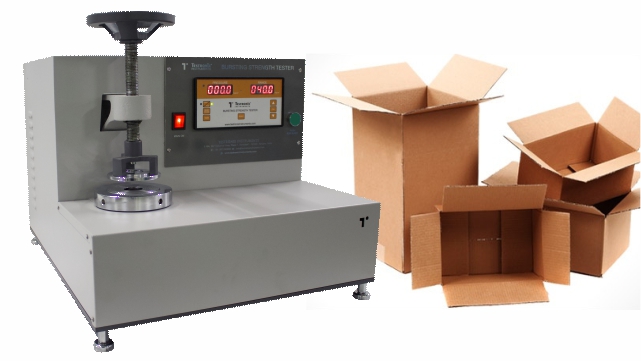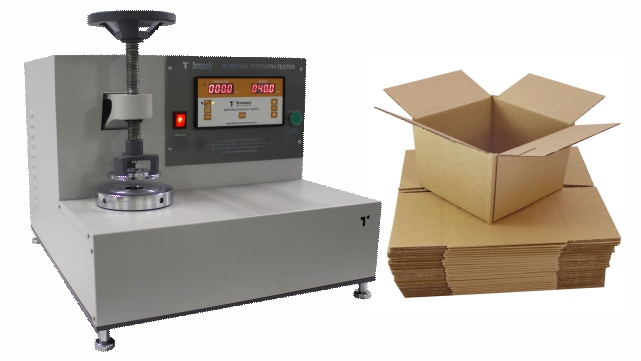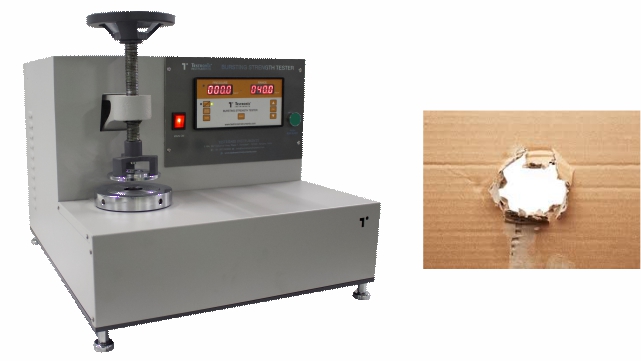
The importance of bursting strength testing is in most industries such as paper, textiles, plastics, packaging, etc. This testing is done to determine the extent of the pressure that a certain material can resist before it breaks and also to do quality control and durability testing of the product under testing.
Many types of different bursting strength testers have the diaphragm as an essential component because it provides the opportunity to distribute the pressure applied to the test sample equally. Although neoprene has been known to be one of the most frequently used materials in diaphragms, the question remains as to whether or not neoprene diaphragms give reliable and consistent evidence when applying the bursting strength tests.
What is a Neoprene Diaphragm and How Does it Work?
Neoprene diaphragm is a form of synthetic rubber barrier usually reinforced with fabric, which was used in many applications, including pumps, valves, and actuators, to contain, isolate, and control liquids and gases. The neoprene diaphragm is resistant to weathering, chemicals, and oil; flexible; and has good durability. The neoprene diaphragm functions through the flexing under pressure to help liquid move or adjust the flow rate with no chance of cross-contamination.
Why Neoprene Diaphragm Used for the Bursting Strength Test?
The bursting strength testers are made with neoprene diaphragms because of their degree of elasticity, durability, and resistance to external conditions. Consequently, neoprene can always be able to give the correct measurements every time it is used to exert hydraulic force.
Here are some major reasons that describe why a neoprene diaphragm is necessary for a bursting strength test:
-
Temperature Flexibility and Stability: Neoprene does not lose its mechanical properties through temperature or atmosphere changes (unlike other rubber types), giving you the same results no matter where you conduct your test.
-
Uniform Pressure Application: Neoprene is uniformly expanded when hydraulic pressure is applied to it, producing an even amount of force on the specimen and therefore providing a true result of the specimen's burst strength.
-
High Durability: Neoprene is an extremely durable material and therefore has the ability to provide the diaphragm, which is subject to repetitive testing cycles, with longevity and dependability.
-
Accurate Calibration: The elastic properties of the neoprene material are so consistent that the pressure to deform the diaphragm material is minimal or easily accounted for in the total pressure calculation.
-
Material Compatibility: Neoprene performs very well in hydrostatic systems; in most cases, it is used in conjunction with glycerine for testing.
Benefits of Neoprene Diaphragm Bursting Strength Test
The neoprene diaphragm consists of several benefits for a bursting strength test, such as excellent chemical and oil resistance, durability and mechanical strength, environmental stability, high flexibility, and fabric reinforcement.
Here are the benefits explained:
-
Excellent chemical and oil resistance
Due to internal construction, neoprene is resistant to most industrial chemicals, oils, and greases. Hence, this also contributes to its performance during extended contact with hostile fluid conditions in hydraulic, pneumatic, or chemical handling applications.
-
Durability and Mechanical Strength
Neoprene has high tensile strength and toughness. Rupturing, cutting, or getting abraded is extremely difficult for neoprene. Therefore, neoprene lasts for many applications where there are repeated pressures or stress placed on diaphragms and sealing. Reducing costs associated with maintenance and downtime.
-
Environmental Stability
Neoprene is resistant to ozone, ultraviolet rays, and environmental weathering; therefore, when used outdoors or under exposure conditions, neoprene cannot change its properties. Consequently, neoprene cannot crack or degrade due to being exposed to the sun and heat, nor because of any atmospheric substances that are considered harmful. Therefore, equipment and part components continued to perform correctly and efficiently long after they had been subjected to those conditions.
-
High Flexibility
The flexibility of neoprene is also high in that it can bend, stretch, and get back to its former shape without cracking or losing its elasticity. This quality of neoprene makes it suitable to be adopted in diaphragms and pumps that undergo constant movement. Since it can transfer pressure at the right place and has a long lifespan in a dynamic mechanical environment.
Limitations of Neoprene Diaphragm
-
Limited High-Temperature Performance
Although neoprene is good in moderate temperatures, it is poor under extreme temperatures. Neoprene, unlike high-temperature elastomers like Viton (FKM), is vulnerable to hardening, elasticity loss, or fracturing during long durations of very high temperatures.
-
Not suitable for strong oxidizing Acids
Neoprene is degraded when it is exposed to strong oxidizing agents such as esters, ketones, and some chlorinated hydrocarbons. This decreases their resistance to aggressive chemical environments and necessitates the use of other elastomers in situations that contain highly aggressive environments.
-
Lower performance in specific chemicals
Despite its compatibility with most chemicals, neoprene is not as suitable as other special elastomers (i.e., water application: ethylene-propylene (EPDM); high-temperature applications: FKM). In this case, the performance and the lifetime of neoprene may not be predictable and reliable; in some cases, its performance would be of low quality.
-
Potential for High-Cost
Neoprene is commonly used, although in certain applications, neoprene may be very costly as compared to other substitute elastomers (i.e., EPDM, silicone). Moreover, when a product lacks high demand or is not subjected to aggressive chemistry, cheaper materials can be used to achieve a satisfactory performance, and neoprene is no longer competitive as compared to high-demand or aggressive usage.
Important Maintenance Requirements for Neoprene Diaphragm
The preservation of neoprene diaphragms is frequently employed in pumps, valves, and actuators because of their high resistance to oil, chemicals, and weathering. Neoprene diaphragms need to be serviced by a combination of regular and scheduled inspection and proper environmental management to assist in ensuring that the predicted life of the diaphragm is achieved (5-10 years or 500-1000 hours).
The main fields of diaphragm maintenance to optimise the life of the diaphragm are checking for fatigue in the diaphragm material (e.g., checking for cracking or stretching of the diaphragm material), adjusting the operation parameters (e.g., the vapourised liquid should be operating within the pressure/temperature range of the diaphragm material), and verifying an appropriate installation of the diaphragms.
Some of these primary maintenance tips should be adhered to in order to be reliable.
-
Regular Inspection – The cracks, thinning, or surface damage should be checked before any test.
-
Cleaning – Hand washing with soap and water; must not be subjected to strong chemicals, which may lead to degradation of the rubber surface.
-
Storage – Keep in a dry, cool place without sunlight and/or equipment that produces ozone.
-
Replacement Schedule – Diaphragms need to be replaced regularly, in comparison with the frequency of use and visual appearance of wear, in order to achieve a consistent test result.
Conclusion
Neoprene diaphragms are highly reliable in testing the bursting strength due to their elasticity, chemical resistance, and capacity to distribute pressure uniformly. They have certain limitations to their use, but with good maintenance, constant checkups, and at the right timing, most of the problems can be addressed. For laboratory and industry applications that require reliable measurement of burst strengths, neoprene diaphragms are an excellent choice from both practical and cost perspectives.