GSM Full Form
The full form of GSM is “Gram per Square Meter”, GSM provides a universal measure of material weight, which affects factors like thickness, durability, and application of the product. GSM helps manufacturers meet quality standards for packaging industry.
What is GSM in Paper Industry?

GSM in the paper industy is a universal measurement unit used to determine the thickness, density, and weight of paper.
The GSM value is essential in the printing, packaging, and manufacturing of paper, as it determines the quality of paper, suitability of paper for different applications, and cost of paper.
Different types of GSM in paper industry
- Low GSM (50-80): Used for newspapers, lightweight printing, and single-use purposes. It’s thin and cost-effective.
- Medium GSM (90-170): Used for brochures, flyers, catalogs, and light packaging. Provides a balance of both weight and strength.
- High GSM (200+): Suitable for premium printing, business cards, posters, and premium packaging. These papers are thicker, stronger, and have a high-quality feel.
Why GSM is Important in the Paper Industry?
Understanding the importance of GSM industries can ensure the selection of the perfect paper that matches quality, strength, and cost-effectiveness for their needs. GSM is important in the paper industry due to the following factors:
Durability and Strength: Papers of high GSM value are thicker and resistant to damage. High GSM papers are used in packaging and premium printing projects.
Printing Quality: The weight of the paper influences how ink holds on paper and the quality of the final print. High GSM papers hold ink better and give bright and clear prints.
Paper Appeal: Premium papers are generally thicker and enhance the visual appeal of printed materials and packaging.
Cost Efficiency: GSM can also determine how much paper is required for specific use. It reduces overall cost and waste in bulk production.
Functionality: Certain GSMs are better suited for specific applications—low GSM for single-use items like flyers and high GSM for high-quality products like business cards and posters.
Choosing the Right GSM for Your Needs
Selecting the right GSM in the paper industry involves understanding the requirements of the project and how the paper aligns with those requirements. Here are factors to consider when choosing the right GSM as per your needs:
Purpose of Use: Different GSM papers are used in different applications. Analyze your requirements and choose the right paper for your purpose.
Printing Method: There are 2 types of printing available in the paper industry: inkjet and laser. The inkjet printing method is used on low GSM value papers for bulk production of paper where quality doesn’t matter. The laser printing method is used on heavier or high GSM paper for premium-quality print and text.
Visual and Feel Requirements: Determine how you want your print to look and feel on the paper, then choose the appropriate GSM paper.
Cost vs. Quality: Evaluate the cost and quality, as high GSM papers are good in quality but more expensive, while low GSM papers are cost-effective and low in quality. Consider a balance of cost and quality for more efficiency.
What is GSM in Fabric Industry?
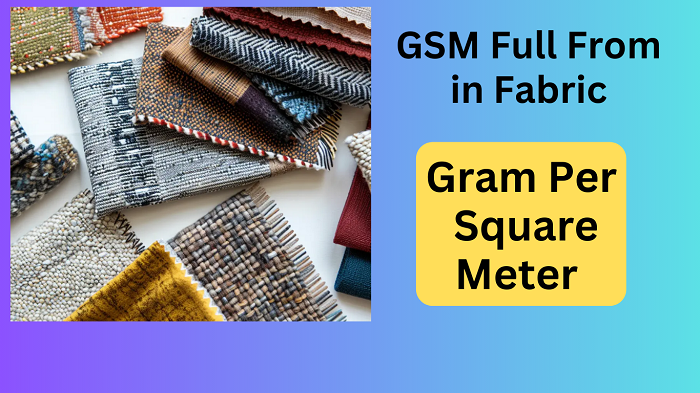
GSM is a standard unit of measurement to determine the weight and density of the fabric. It is defined as the weight of 1 square meter of fabric. GSM in fabric industry is an important factor in determining the fabric's quality, durability, and suitability for a particular use.
Understanding GSM in Fabric Industry
GSM in fabric industry refers to the weight of the fabric. Understanding GSM helps manufacturers, designers, and consumers identify the fabric’s thickness and density. GSM is essential because it provides a standard comparison between different types of fabrics.
Different types of GSM in Fabric Industry
Lightweight Fabrics (100-150 GSM): Low GSM or lightweight fabrics are used for summer clothes, like T-shirts, and soft clothes. These fabrics are breathable and delicate.
Medium Weight Fabrics (150-300 GSM): Mid-GSM or mediumweight fabrics are often used for casual clothing, like shirts, and light outerwear. They provide a balance between comfort and durability.
Heavyweight Fabrics (300+ GSM): High GSM or heavyweight fabrics are commonly used in jackets, upholstery, and industrial applications. These are strong, durable, and insulating materials.
Why is GSM Important in the Fabric Industry?
GSM in fabric industry is important to determine the quality, thickness, and density of a fabric. Determining the GSM of fabric helps in identifying the right fabric for your purpose. Factors that make GSM important in fabric industry:
1. Fabric Thickness and Durability
High GSM fabrics are thicker, stronger, and more durable, suitable for applications like upholstery or winter wear. On the other hand, low GSM fabrics are lighter and more suitable for soft and summer clothing.
2. Comfort and Breathability
Lightweight fabrics are better breathable and often used for warmer weather, while heavyweight fabrics provide warmth and insulation in winter conditions.
3. Cost and Production
GSM of fabrics directly affects the cost. High GSM fabrics need more raw materials which increases production cost, but they also provide durability and value.
GSM directly affects fabric costs. Heavier GSM fabrics require more raw material, increasing production costs, but also offer better longevity and value.
4. Purpose
- Low GSM fabrics are ideal for curtains, bed linens, and lightweight clothing.
- High GSM fabrics are perfect for industrial uses like canvas, heavy-duty upholstery, or protective gear.
5. Consistency and Quality Control
Using GSM, manufacturers can maintain consistent quality in the production batches, ensuring reliability and customer satisfaction.
What is GSM Cloth?
GSM cloth is Grams per Square Meter and is the standard metric for measuring fabric weight and density. In GSM cloth, if the value is higher, then the material is heavier, thicker and denser but when the value is lower, the material is lighter and more breathable.
A GSM rating in the cloth industry is a standardized metric used throughout the textile and apparel sectors. By measuring exactly how much a one-meter by one-meter square of fabric weighs in grams, manufacturers and consumers can quickly determine the durability and texture of the material and intended seasonal use.
So, GSM is not just a term for manufacturers or businesses; it helps even regular buyers to understand what they are buying. Its value can be as low as 30 to over 350 which is for lightweight and extra heavyweight fabrics, respectively.
GSM Cloth Categories in Textile Industry
|
GSM Range |
Fabric Category |
|
30 to 90 GSM |
Lightweight Fabrics |
|
90 to 150 GSM |
Medium Lightweight Fabrics |
|
150 to 250 GSM |
Medium Weight Fabrics |
|
250 to 350 GSM |
Heavyweight Fabrics |
|
350 GSM and Above |
Extra Heavyweight Fabrics |
-
Lightweight (30–150 GSM): Lightweight GSM clothes are used for summer clothing. They are mostly transparent, thin fabrics like chiffon, linen or breathable cotton by structure and use.
-
Mediumweight (150–350 GSM): Mediumweight GSM clothes are used for everyday apparel, most commonly in spring. The common types in this category are standard, versatile textiles such as t-shirt cotton, jersey and satin.
-
Heavyweight (350+ GSM): Heavyweight GSM clothes are designed for durability and are frequently used as winter clothing. They are mostly thick, dense materials like denim, wool, upholstery fabric or heavy hoodies.
Why is Cloth GSM Important in Textile Industry
GSM or Gram Per Square Meter, is important in the textile industry because it gives a clear idea about the lightness and heaviness of fabrics. The GSM value varies based on the type of material. For instance, the GSM of a cloth is typically higher for thicker, coarser, warmer, and more durable cloths while it is lower for softer, lighter, more breathable cloths. In other words, GSM is a measurement that helps manufacturers, designers and buyers to select the right fabric for various products, seasons and based on their requirements.
-
Assist in understanding the quality and thickness of the cloth.
-
Improves the selection of summer and winter fabrics.
-
Makes clothing difficult to put on and take off.
-
Supports good manufacturing practices.
-
Plays a big role in fabric durability and strength.
-
Ideal for fabric selection in fashion, sport and home textiles
Choosing the Right GSM for Your Needs
Choosing the right GSM in fabric industry depends on the application of the fabric and its characteristics. Here are important factors in choosing the right GSM for your needs:
Purpose of Use:
- Lightweight fabrics for summer clothing.
- Mediumweight fabrics for flexible day-to-day clothing.
- Heavy fabrics for outerwear, upholstery, and industrial purposes.
Climate and Comfort:
- Low GSM fabrics are better suited for hot climates due to their breathability.
- High GSM fabrics provide warmth and insulation for cold regions.
Durability Requirements:
- For high-duty applications like upholstery, opt for heavy GSM fabrics that resist damage.
- For occasional use or decorative purposes, medium GSM fabrics are better.
Cost and Budget:
- While higher GSM fabrics are more durable, they are also expensive. Consider your budget and the fabric’s reliability.
Aesthetic and Functional Needs:
- For premium finishes, choose higher GSM fabrics that provide texture and richness.
- For light designs, opt for lower GSM fabrics.