Aluminum parts are an essential part of modern construction and structural and automotive applications. It is praised for its corrosion resistance and flexibility, but it degrades rapidly in harsh industrial environments.
Industries have to conform to some standards for testing the materials and products and one such standard is IS 5528:1985 for electroplated and anodized aluminium coatings. In this article, we will cover the specific operational guidelines of the Indian Standard code and look at the equipment required to run these accelerated tests accurately.
What is IS 5528:1985
IS 5528:1985 is an Indian Standard that outlines how to perform the Copper-Accelerated Acetic Acid Salt Spray test, commonly known as the CASS test, for metal finishes. It sets the baseline rules for testing the quality of protective layers on aluminum alloys.
The main trouble with aluminum is that it doesn't rust like iron but it pits badly when salt and pollution hit it together. The metal is coated by the manufacturers, either electroplated or anodized, but you can’t wait five years to see if the coating works. That’s where accelerated environmental testing comes in handy.
This standard provides a strict framework to ensure that different laboratories can perform the same test with the same results. It bridges the gap between the theoretical design of coatings and their practical durability.
Here are the key details you should know about this standard documentation:
-
Standard Name: Method of Copper-Accelerated Acetic Acid Salt Spray Testing (CASS Test)
-
Standard Code: IS 5528:1985
-
Publisher: Bureau of Indian Standards (BIS)
-
Reaffirmation Status: Reaffirmed regularly to maintain industrial relevance
-
Primary Scope: Evaluation of electroplated and anodized coatings on aluminum and other metals
-
Key Parameters: Specifies exact chamber temperature, solution pH, and copper chloride concentration levels
Download IS 5528:1985 PDF FREE
Get the complete IS 5528:1985 PDF for free with an extensive scope guide, detailed working procedure, and how to use the standard. The standard is critical for industries as it specifically uses Copper Accelerated Acetic Acid Salt Spray (CASS), and having exact working knowledge is required to create a specified artificial environment for precision product testing.
IS 5528:1985 Testing Procedure for Aluminium coatings
The test procedure involves placing coated aluminum parts within a sealed, heated chamber and exposing them to a highly corrosive mist of salt, copper micro-particles and acetic acid for a defined number of hours. It replicates years of harsh outdoor marine exposure in a few days of continuous laboratory testing.
-
To begin the testing process with IS 5528:1985, the very first step is to prepare a chemical solution. To get the solution to proceed, high-purity sodium chloride is dissolved in the distilled water. This concentration should be with a 5% salt solvent. After that, copper chloride dihydrate is mixed in the concentration as per requirements. It is important to note that the copper ions act as a massive catalyst to speed up the corrosion process on the aluminum surface. You then add glacial acetic acid to drop the pH down to an acidic range of 3.1 to 3.3.
-
Once your solution is ready, you place your aluminum samples inside the chamber. Do not just pile them in. You must angle them at fifteen to thirty degrees from the vertical line so the salt mist settles evenly across the main face without pooling into puddles.
-
The standard requires the internal chamber temperature to stay tightly controlled at fifty degrees Celsius. You run the atomized mist continuously, usually from sixteen hours up to several days depending on the coating thickness. After the timer stops, you rinse the parts in clean water, let them dry, and look for tiny blisters or pits.
Why Need CASS salt spray tester for IS 5528:1985
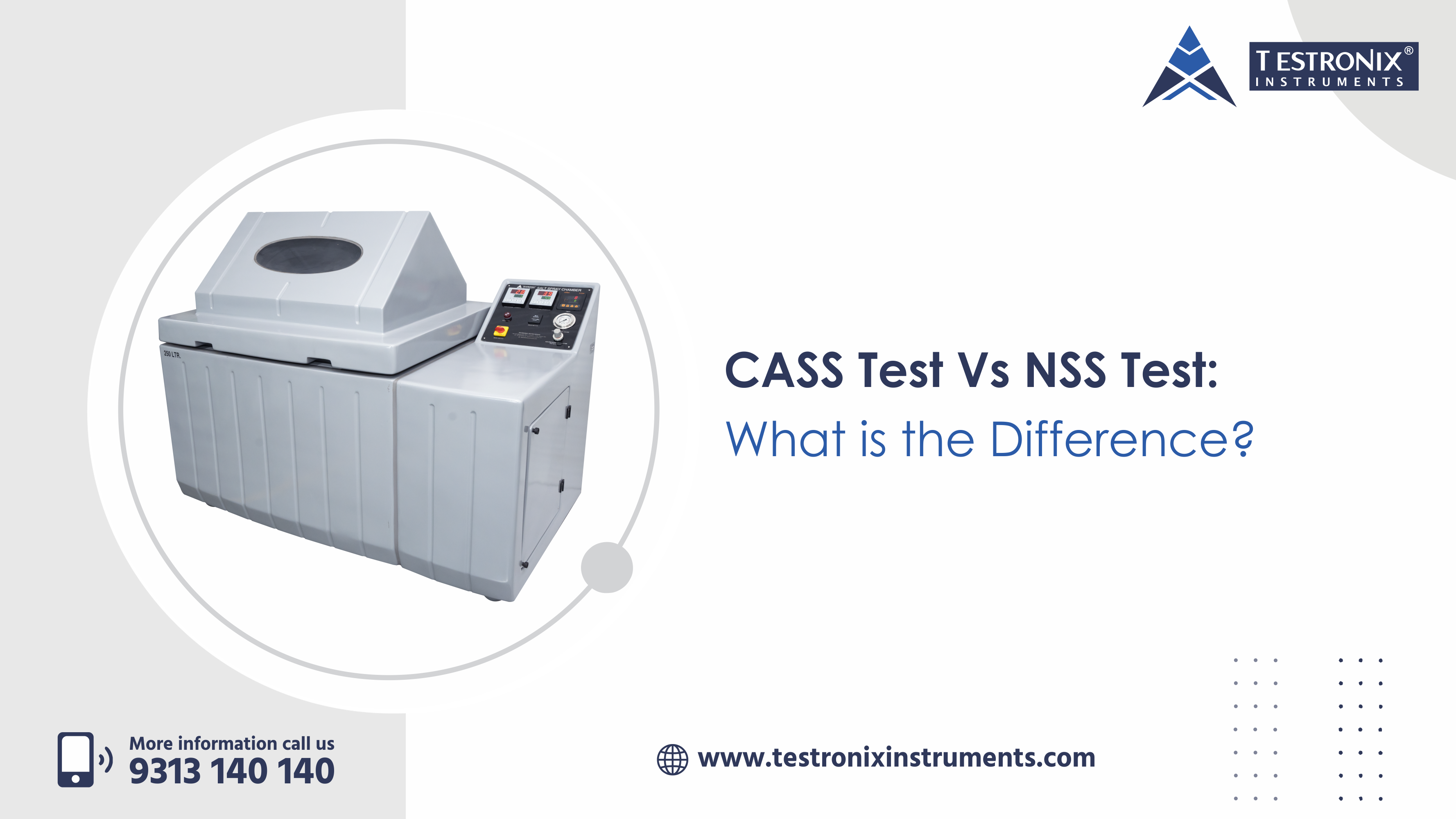
A specialized CASS salt spray tester is necessary because ordinary neutral salt spray chambers simply cannot handle the aggressive acidity and elevated temperatures required by this standard. Standard machines will degrade quickly or fail to maintain the highly specific environment needed for the copper-accelerated reaction.
In simple terms, a normal salt spray test takes weeks to show results on tough anodized aluminum layers. The CASS chamber changes the game by adding heat and copper catalysts to get those answers fast. The internal parts of the tester should be made of heavy-duty, non-corrosive materials, such as fiberglass or specially treated heavy plastics. If the chamber walls react with the acid solution, your entire test environment is changed and ruins the data
The tester also needs a highly precise atomizing nozzle that distributes the mist without creating direct drops. You need consistent collection rates of the solution across the floor space. A good machine provides separate heating controls for the internal air space and the saturation tower. This dual heating system keeps the mist at the exact temperature required when it expands into the testing zone.
Benefits of IS 5528:1985 for corrosion resistance of electroplated and anodized aluminum coatings
Using this standard, manufacturers can detect flaws in their anodizing or plating processes before the final parts are shipped from the factory floor. It gives you a measurable, repeatable benchmark that your surface treatment lines are working flawlessly every shift.
When you test your coated parts in this test, you can quickly see if your sealing process was done right. Anodized aluminum is highly dependent on the final hot-water sealing step to close up the microscopic pores in the metal oxide layer. If your team skips that step, the CASS test will reveal severe pitting within hours. It saves your business from massive product recalls and keeps your brand reputation intact.
Another benefit is the sheer speed of feedback for your production line. Instead of waiting for field reports from customers who live near the ocean, you get actionable data in a couple of days. You can vary your electroplating current, you can vary your chemical bath concentrations, you can vary your baking times, and then immediately run another test to see if the corrosion resistance improves.
Testronix Salt Spray Tester for IS 5528:1985
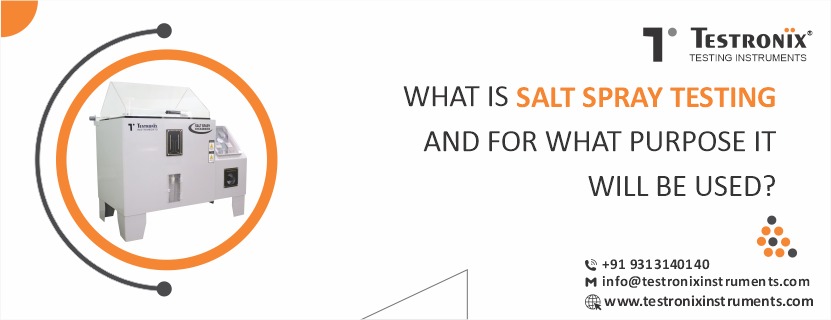
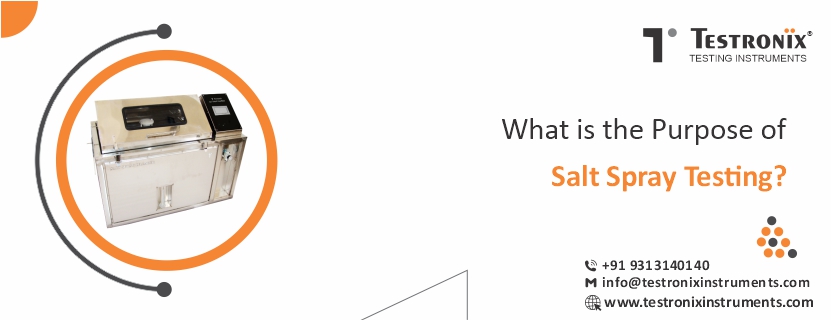
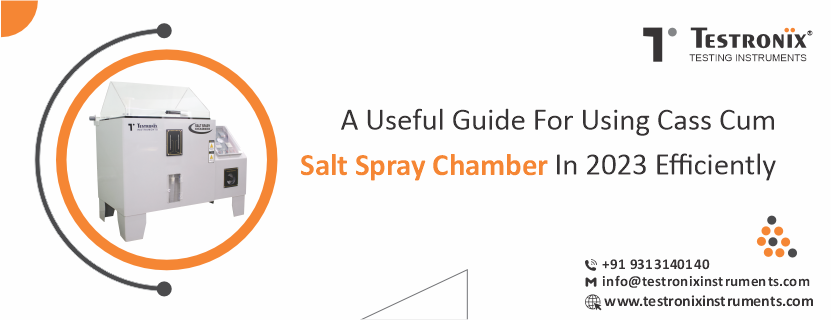
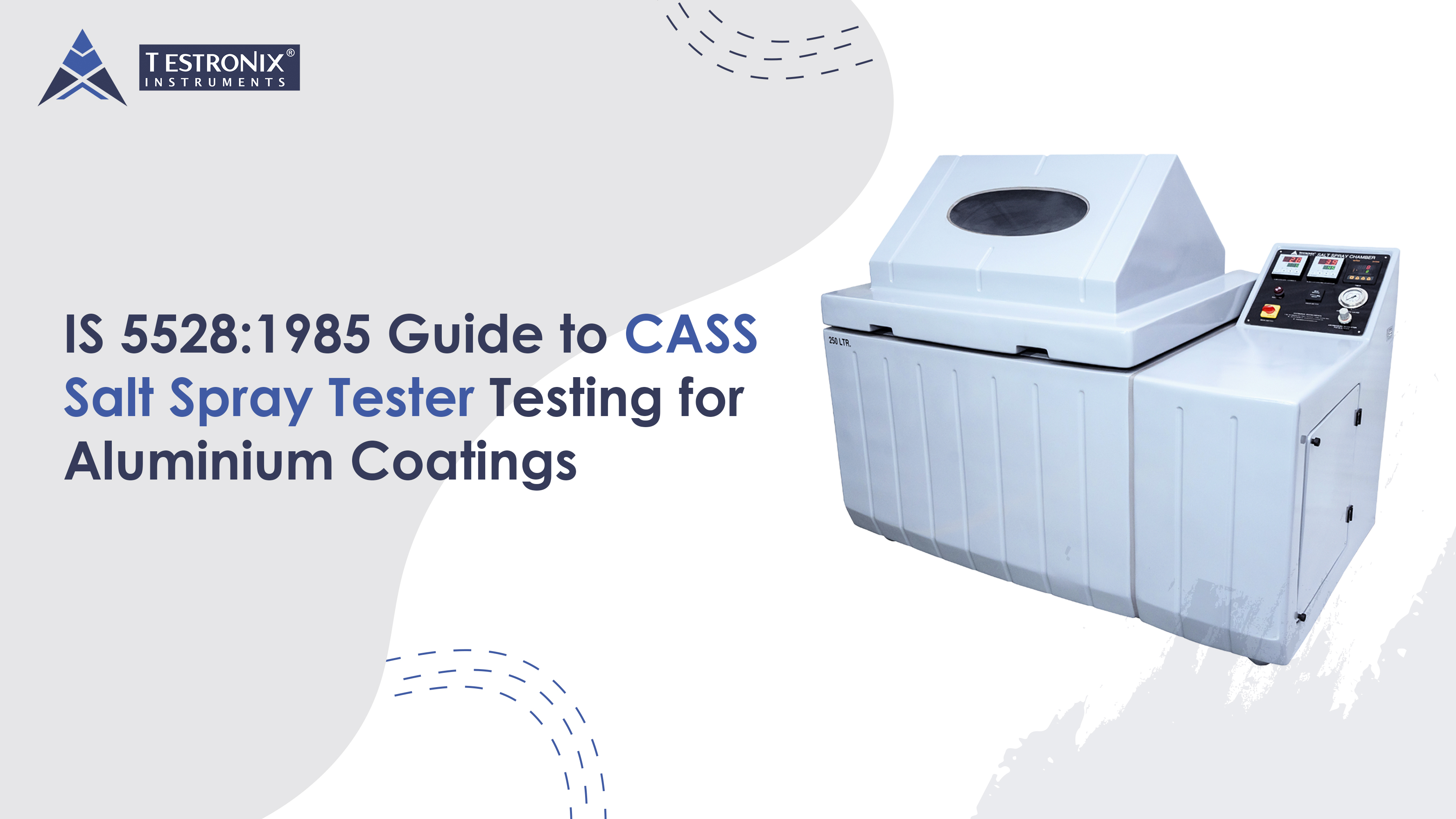
The Testronix salt spray tester is designed specifically to meet the strict temperature and chemical requirements laid out in the IS 5528:1985 standard document. Our SST provides a highly reliable and controlled environment to ensure aluminum coating and other materials evaluations are completely accurate and repeatable.
Our salt spray test chamber features a robust design with advanced temperature sensors and a corrosion-resistant structure with advanced temperature control and an LCD screen. This tester is not related to aluminium alone, as you can use the machine for other industrial materials like steel and those requiring protective finishes.
The salt spray tester for aluminium and electroplated coatings also uses atomizing nozzles that are designed to prevent blockages from the copper chloride mix. With its precise pneumatic pressure controls and accurate temperature management, the Testronix chamber takes the guesswork out of complex industrial testing protocols.
Conclusion
Testing materials such as metals, alloys and protective surfaces as per the IS 5528:1985 guidelines is important to ensure high performance even under harsh conditions.
This article would serve as a detailed guideline and a reliable means of testing the anodized and electroplated aluminum coatings such that they could survive in real world conditions. It helps in following the strict guidelines and standards all over the globe. Consumers get a feeling of assurance about the working and dependability of the products.
If you want to upgrade your testing lab or manufacturing unit with sophisticated testing instruments, check out our advanced range of equipment or contact us to get a quote for a customized solution.