Testing automotive electrical equipment is an exercise in preparing for the worst imaginable road scenarios. Components like wiring harnesses, switches, and starter motors are constantly subjected to brutal operational environments. It can be from extreme engine bay heat to sub-zero winters and sudden tropical downpours. When an electrical part fails in the field, it is never just a minor inconvenience; it leads to expensive product recalls, heavy warranty claims, and severely damaged consumer trust.
We are breaking down this topic because engineering teams need a definitive, bulletproof framework to evaluate component durability before a vehicle ever reaches the assembly line. In this technical overview, we will look closely at the core requirements of IS 10250 (1982) which serves as the primary Indian standard for environmental stress testing in the automotive sector. We will unpack how the specific laboratory test loops function, how to interpret the procedural requirements, and how advanced environmental simulation chambers allow manufacturers to achieve precise, repeatable compliance data every single run.
What is IS 10250 (1982)?
IS 10250 (1982) is an Indian Standard that outlines specific environmental test methods for electrical equipment used in automotive vehicles. It helps manufacturers check if their components can survive real-world weathering.
Think of it as a blueprint for testing vehicle components against the elements. The Bureau of Indian Standards created this framework because vehicles in India navigate incredibly diverse climates. A commercial vehicle can begin its journey in one part of the country with dry, hot weather and finish it in another with humid, tropical weather.
IS 10250 standard takes those weather extremes and transfers them into accurate laboratory testing. Put another way, the standard gives manufacturers a way to fix design problems in part development before committing to production.
Purpose and Scope of IS 10250 (1982) for Environmental Testing
The main purpose of IS 10250 (1982) is to evaluate how environmental stress changes the reliability, material strength, and performance of automotive electrical systems. It covers nearly all of the parts that process an electric signal within the vehicle.
This standard applies to common components such as horns, starter motors, wiper mechanisms, switches, relays and more. It's used in every application, from 2-wheelers to passenger cars to heavy-duty trucks. Engineers can subject these systems to environmental weathering to determine how materials perform as they age. Specific testing to identify problems such as insulation damage, physical distortion or dramatic short-circuits gives you a chance to spot problems before you move to mass production.
IS 10250 (1982) PDF Download
For test engineers who need to set up these specific testing profiles in their own facilities, having the exact official data is critical. You can get an IS 10250 (1982) PDF download directly from the given link below. Reviewing the official document gives your team the exact clause requirements and numerical parameters needed to achieve full compliance.
IS 10250 (1982) Procedure: Environmental Test for Automotive Electrical Equipment
The environmental test for automotive electrical equipment under IS 10250 involves exposing the sample to intense heat, deep freezing, and high humidity. It is done to measure the performance of the tested product under various environmental conditions.
Before starting the test profiles, you always perform a complete baseline inspection to document how the component behaves under normal room conditions. Once you record that initial data, the part faces three core environmental phases.
High Temperature Test
The high temperature test involves raising the temperature to a high setting with the use of a test chamber and holding it for a set period. Holding a temperature for a long time will drive the plastic house to age faster and make the insulation jacket break down. Additionally, this will cause the voltage parameters of the inter-circuit to not match up with the operating parameters anymore. Technicians monitor whether any part of the internal circuits will shut down under normal operating voltage.
Low Temperature Test
Directly following the heat cycle, the chamber plunges the internal climate down to sub-zero levels. Extreme cold makes rubber components brittle and forces different metals to contract at different rates. If a solder joint or a wire termination is weak, this sudden physical contraction will snap it. Engineers use this test to ensure the unit boots up cleanly and maintains continuity in freezing weather.
Damp Heat and Humidity Test
Moisture acts like a heat-seeking missile for weak insulation, finding microscopic cracks and causing immediate short circuits. The damp heat cycle introduces a warm, saturated fog into the chamber, often keeping relative humidity levels above ninety percent. This phase determines if moisture seals degrade with time or if water vapor causes the circuit board to be heavily corroded and components to fail.
Testronix Environmental Chamber: IS 10250 (1982) Compatible Testing Equipment
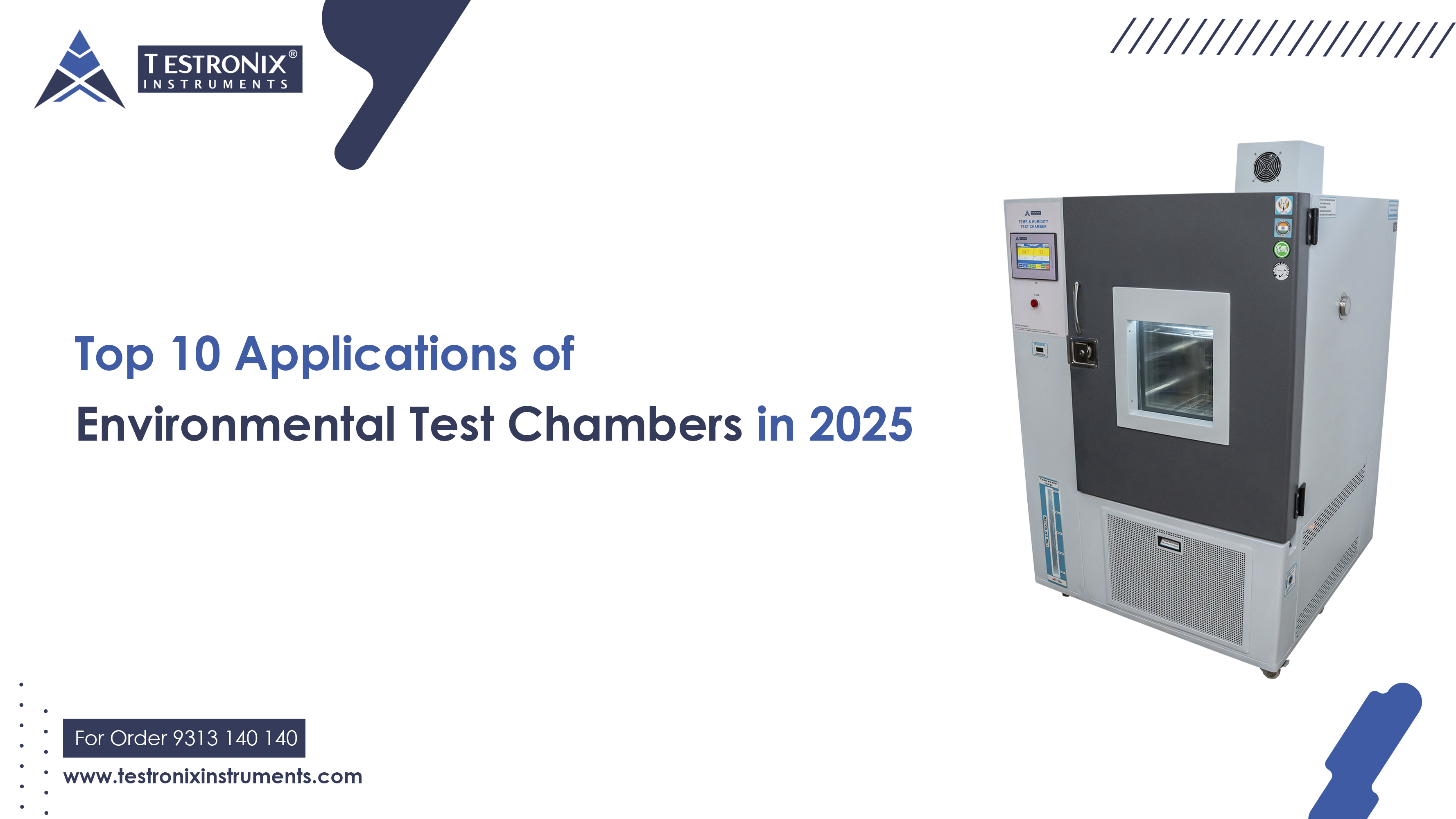
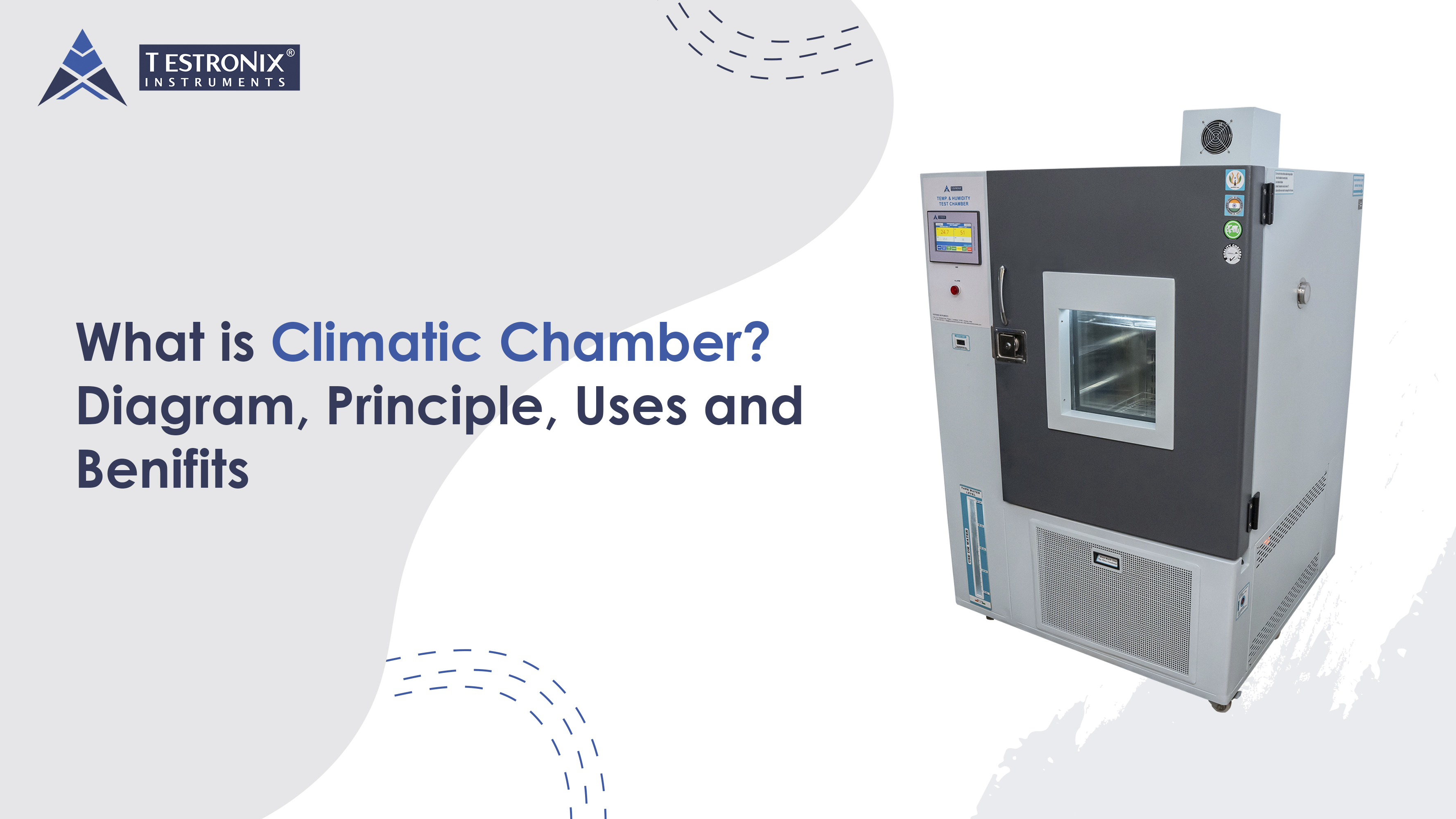
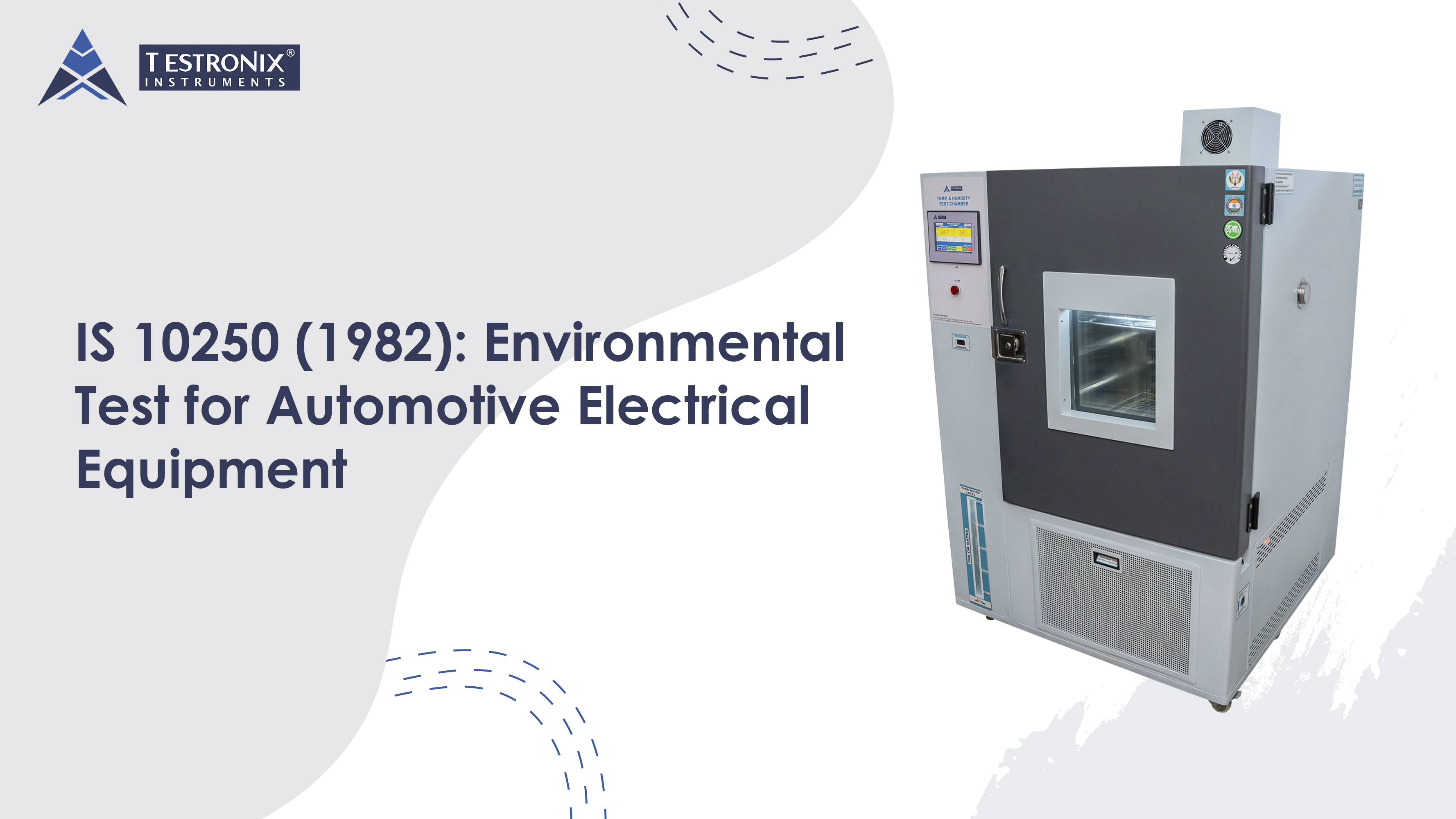
The Testronix Environmental Chamber is an advanced piece of laboratory hardware engineered to match the precise temperature ramp rates and humidity levels demanded by IS 10250 (1982). It provides the tightly sealed environment required to run these automated testing sequences without variation.
Many times, climatic chambers are used to test different environmental conditions that give even more precise results. Also, trying to execute these complex environmental steps with basic ovens or primitive cooling units just will not work because the standard requires tight tolerances. The Testronix chamber solves this problem by using automated digital programming. It can be cycled from freezing to very hot temperatures in a seamless manner, set up on a schedule. The inner chamber is constructed of corrosion resistant stainless steel. This design choice is vital because standard metals would rust rapidly under the continuous humidity testing required by the Indian standard.
Using this specialized Testronix environmental test chamber, your laboratory data is completely repeatable. The control interface tracks the climate metrics in real time, saving logs that prove compliance with the standard. For any automotive supplier aiming for OEM approval, having this level of precision in your testing workflow makes a massive difference during official quality audits.
Conclusion
Getting an automotive electrical part to market requires proving it can survive the real world. Relying on guesswork or cheap simulations will eventually lead to expensive product recalls and damaged brand reputations. Adhering to the rigorous guidelines of IS 10250 (1982) gives manufacturers a proven roadmap to build reliable, rugged electronics. Utilizing a high-performance Testronix Environmental Chamber ensures your lab can execute these critical tests with absolute accuracy and repeatable results. Contact Testronix Instruments today to request a quote or discuss your specific automotive compliance testing needs with an expert.