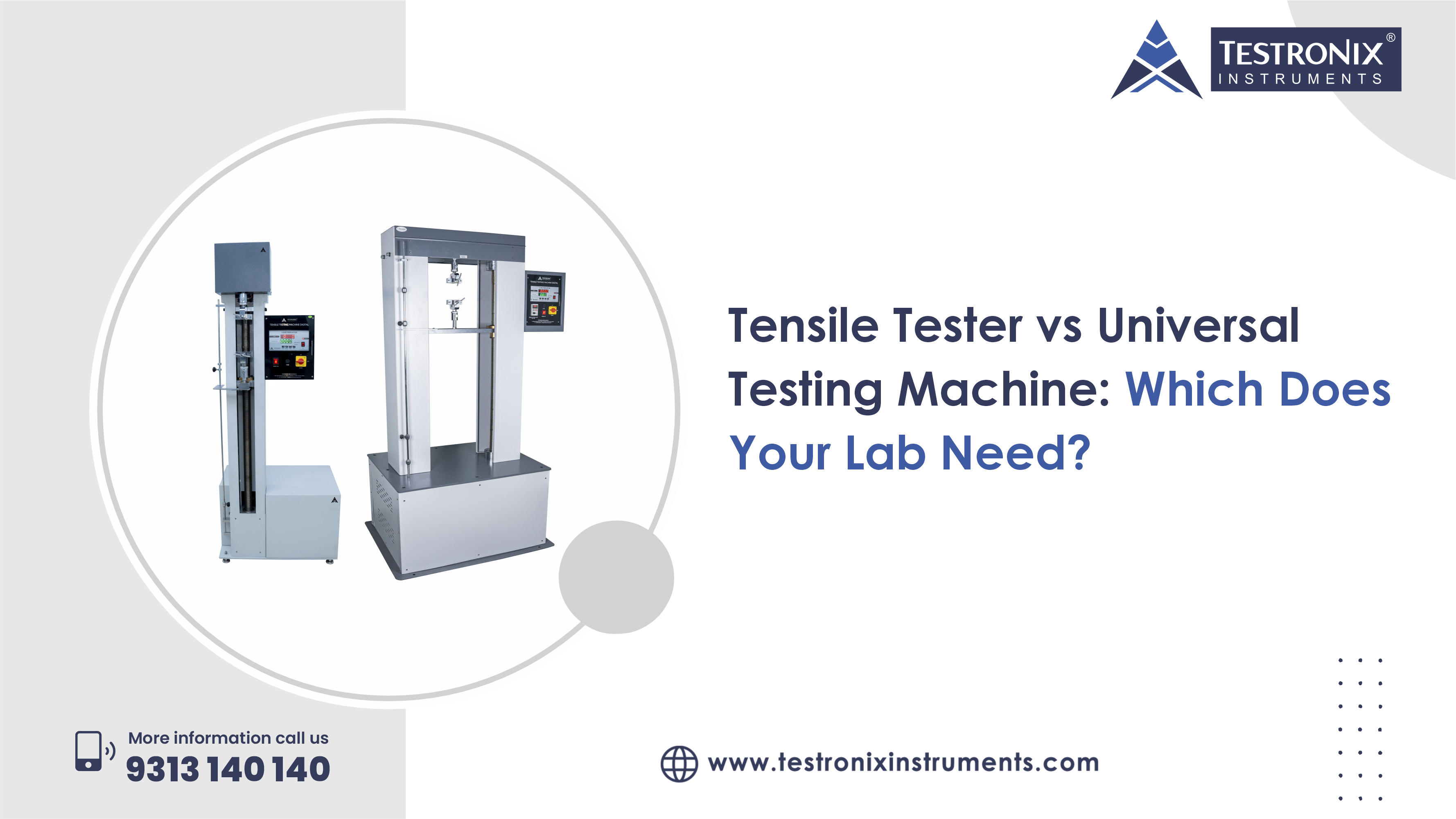
The tensile tester and universal testing machine (UTM) are two highly advanced and frequently used testing instruments across industries. Given the modern consumer requirements and rapidly changing environmental conditions, the duo is a must-have in your laboratory to accurately measure the mechanical strength of different materials and products.
If you are planning to purchase any laboratory equipment, you must understand which one is best for you based on your exact requirements. This article will cover all the basic checklists that must be followed before you make a purchase and select the right testing equipment.
Understand the Tensile Tester/Tensile Testing Machine
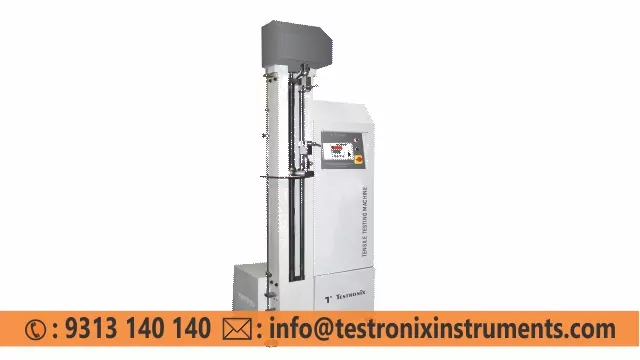
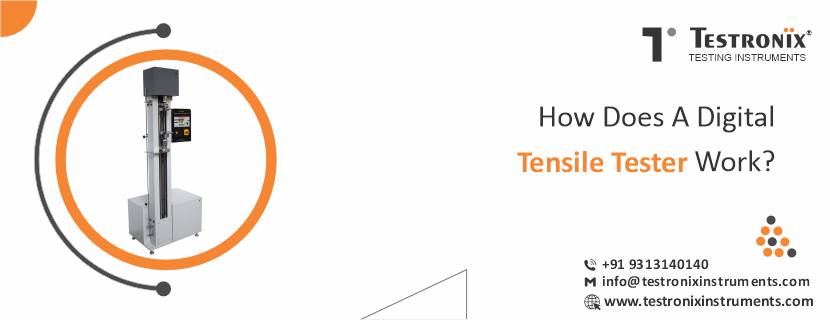
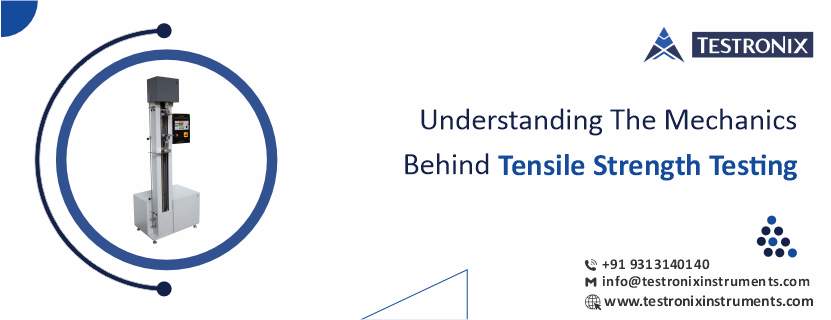
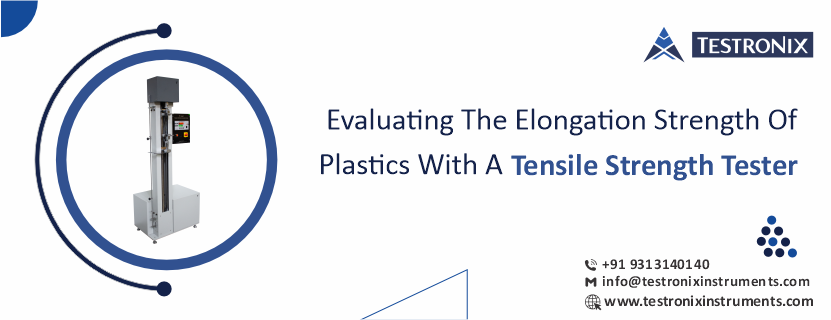
A tensile tester is laboratory equipment to measure how a material behaves under tension or pulling force before it breaks. The equipment is a dedicated instrument that precisely determines the material strength and mechanical parameters like yield strength and elongation.
A tensile testing machine is specifically designed to exert a pulling force to test the specimen strength using a simple clamping mechanism. The more the load is exerted, the material travels through its yield point to the breaking point and eventually ruptures which results in the tensile strength of the material.
Features of Testronix Tensile Testing Machine
-
Specifically designed for pulling force or tensile strength
-
High load-carrying capacity up to 500 kg
-
Highly advanced and sensitive load sensor
-
Guaranteed compliance with BIS standards
-
Precise elongation features
-
Multiple types of grip structures for easy holding of the specimen
What is a Universal Testing Machine (UTM)?
A universal testing machine or UTM machine is a versatile equipment to measure tension, compression, bending, shearing loads, and other mechanical properties. The term "universal" is used, as it is able to perform all mechanical tests with a single machine. This single mechanical system is used to test the elasticity, physical strength, and durability of materials.
Testronix UTM machine features modular load cells along with changeable crossheads that ensure you can run multiple tests. The biggest benefit of a universal testing machine is that it can be used in different industries including packaging, aerospace, pharmaceutical, and for R & D requirements. Manufacturers no longer need to purchase separate machines for tensile testing, compression testing, and other tests.
Features of Testronix Universal Testing Machine
-
All-in-one testing machine for mechanical tests
-
Easy grip-to-grip separation for multipurpose
-
Advanced load sensor for precise measurement
-
Overload safety mechanism
-
Compliance with all industrial standards including ASTM, ISO, BIS, and others
Tensile Tester vs Universal Testing Machine: What is the Difference
The core difference: a Tensile Tester only performs pull (tension) tests whereas a Universal Testing Machine (UTM) can perform pull, crush, bend, and shear tests because its fixtures can be changed as per requirements.
Tensile Tester vs UTM Machine:
|
Feature |
Tensile Tester |
Universal Testing Machine (UTM) |
|
Testing Scope |
It is strictly to measure tension (pulling) force |
Perform all mechanical tests like tension, compression, bending, shearing, and peeling |
|
Grip Versatility |
Fixed or specialized solely for pulling |
Highly modular, with easily interchangeable fixtures |
|
Load Capacity |
Typically lower, designed for lighter materials like plastics, rubber, or textiles |
Ranges from tiny forces for electronics to massive scales for steel and concrete |
|
Setup Complexity |
Simple, plug-and-play for repetitive daily checks |
More complex, requiring calibration and custom software profiles |
|
Relative Cost |
Budget-friendly due to single-purpose design |
Higher initial investment, but highly cost-effective for multi-test labs |
Before making your final choice, it can be helpful to understand the science behind how these forces deform materials. You can explore the detailed differences in our guide to tensile strength vs. yield strength.
Tensile Tester Vs UTM Machine: Which One to Choose
Selecting between a tensile tester and a Universal Testing Machine significantly depends on your testing requirements, long-term roadmap, and obviously, your budget. If you only need to test the tensile strength of any material, a tensile testing machine is your go-to instrument by default. Here are a few things to note and analyze that help you in making a decision on what to choose:
When a Tensile Tester is the Smart Choice
If your facility only processes materials like film, packaging, textiles, or rubber, you only need to know how much those materials stretch and when they break. In simple words, a dedicated tensile testing machine is the best fit when:
-
You run repetitive, single-focus tests: If your technicians run the exact same pull test day in and day out, the simplicity of a dedicated machine reduces operator errors and speeds up the testing workflow.
-
Your budget is tight: Because these machines do not require complex multi-axis software or heavy-duty motor frames to handle crushing forces, they carry a much lower price tag.
-
Space is limited: Dedicated tensile testers often feature a single-column design, meaning they take up very little bench space in small quality control labs.
When a UTM is the Necessary Choice
If you are running a large manufacturing unit, the universal testing machine (UTM) handles a variety of materials. These machines also support the laboratories that constantly manufacture new products; a single-purpose tester will quickly become a bottleneck. A UTM is the right investment when:
-
You need to test compressive or bending forces: If you must crush a cardboard box, bend a metal pipe, and pull a plastic strip all in the same day, you need a UTM.
-
Your testing standards change often: Industries like aerospace, automotive, and medical devices require adherence to strict standards. A UTM allows you to easily buy and swap grips to meet new regulations without buying a whole new machine.
-
You require high-capacity testing: Heavy materials like steel, concrete, and thick composites require massive frames and dual-column setups to handle the physical forces involved, which is the standard build of a UTM.
Finally, if you are running a manufacturing plant with a fixed product line that only requires tension tests, save your budget and choose a dedicated tensile tester. However, if you are a research lab or a growing business, buying a tensile tester to save money today often results in buying a UTM later when your testing needs inevitably expand.
Conclusion
After reading this guide, you can now decide what exactly you want to purchase: a tensile tester or a universal testing machine. Your existing lab design and intended upgrades will determine which of the two instruments you will go for. For instance, if there is a need to make only simple tests on flexible materials like rubber, paper, and foil, a specialized tensile tester will be the best option in both economic and practical terms.
If you conduct research projects or manufacture a variety of products that need different types of mechanical tests, such as crushing, bending or compression, a UTM would be a more cost-effective and future-proof investment. For those who want to standardize their establishment, consider specialized laboratory equipment from Testronix to ensure that the products are capable of handling the rigors of transport and handling in the real world.
Ready to find the perfect fit for your facility? Get a Quote from us today and let our experts help you choose the right instrument!