In metallic material testing, most attention goes to tensile strength and hardness. Those numbers are important, but they do not tell the full story. A material can pass both and still fail the moment it goes through a bending operation on the shop floor. Ductility under bending is a separate property. And without a standardized method to test it, results from different labs are simply not comparable.
There are different laboratories with various factors such as the tightness of the mandrel or the speed. At this, the mandrel can be manipulated to affect whether the materials will be able to provide the same results under two distinctly different conditions (e.g., pass/fail). The Bureau of Indian Standards IS 1599:2012 provides consistent criteria for this type of testing and is addressed by this article through a detailed analysis of the information contained within the standard, the methodology of the test, and the equipment needed to perform the test.
What is IS 1599:2012?
IS 1599: 2012 is the Bureau of Indian Standards specification for conducting bend tests on metallic materials. The standard is basically a rulebook for a bending test that checks whether metal can handle bending without cracking on the outer surface.
IS 1599:2012 replaced the earlier version of IS 1599 and brought the method closer to international practices. The standard covers a broad range of metal products including flat sheets, bars, rods and wire. Whenever a product standard says "bend test as per IS 1599," this is the document being referenced.
Purpose and Scope of IS 1599:2012
The whole point of this standard is consistency. Two labs testing the same piece of steel should get the same result. Without a defined method, one lab might bend faster, use a different mandrel or judge the surface crack differently. The result becomes meaningless.
IS 1599: 2012 fixes the method so that it does not happen. It covers both free bend and guided bend test types. It defines specimen dimensions, how edges should be finished, acceptable test temperatures, bending speed guidelines, and how to evaluate the bent surface after the test. The scope also covers materials where the rolling direction matters because cold-rolled or drawn metals behave differently depending on which way you cut the specimen relative to how it was processed. The standard addresses that directly.
One thing it does not do is prescribe a fixed mandrel diameter for every material. That value comes from the relevant product standard or from an agreement between buyer and supplier. IS 1599 just tells you how to run the test once those parameters have been decided.
IS 1599: 2012 PDF Download
IS 1599:2012 is a crucial guide to test the metallic materials for bending. Manufacturers must understand how the testing is done, specimen dimensions, test conditions, etc. By doing this, manufacturers not only save time but also ensure the product can perform efficiently until the specified period.
For such detailed understanding, download the IS 1599:2012 PDF below for complete guidelines on the bend test method for metallic materials.
[Download IS 1599:2012 PDF]
IS 1599: 2012 Bend Test Procedure
The bending test under IS 1599:12 looks simple like you bend a metal strip and see if it cracks. But there are enough details in the process that doing it wrong is pretty easy if you have not read the standard.
Specimen Preparation
The specimen is cut from the actual material being tested. Shape and size depend on the product form. For a sheet or plate, it is a rectangular strip. The edges need to be smooth. This is not just about cleanliness. A rough or burred edge can start a crack on its own and give you a false failure. So edge preparation is not optional.
Selecting the Mandrel Diameter
The mandrel is the round former the specimen bends around. A smaller mandrel means a tighter bend, which is more demanding on the material. The right diameter comes from the product standard or test specification. IS 1599 gives guidance on mandrel geometry but the actual value has to come from somewhere else.
Performing the Bend
The specimen goes over the mandrel and is bent to the required angle, typically 90 or 180 degrees, at a steady and continuous rate. Speed matters here. Bending too fast changes how the material responds. The standard specifies this, and a good testing machine makes it easy to control.
Checking the Result
Once the bend is done, you look at the outer surface of the bent area under good lighting. You are checking for cracks, fractures, or ruptures. Minor surface roughness on ductile materials is sometimes acceptable. The standard gives guidance on what actually counts as a failure versus a cosmetic irregularity. If the outer surface is clean, the material passes.
Temperature is also worth mentioning. The default is room temperature but some applications require testing at elevated or low temperatures. IS 1599: 2012 covers those scenarios as well.
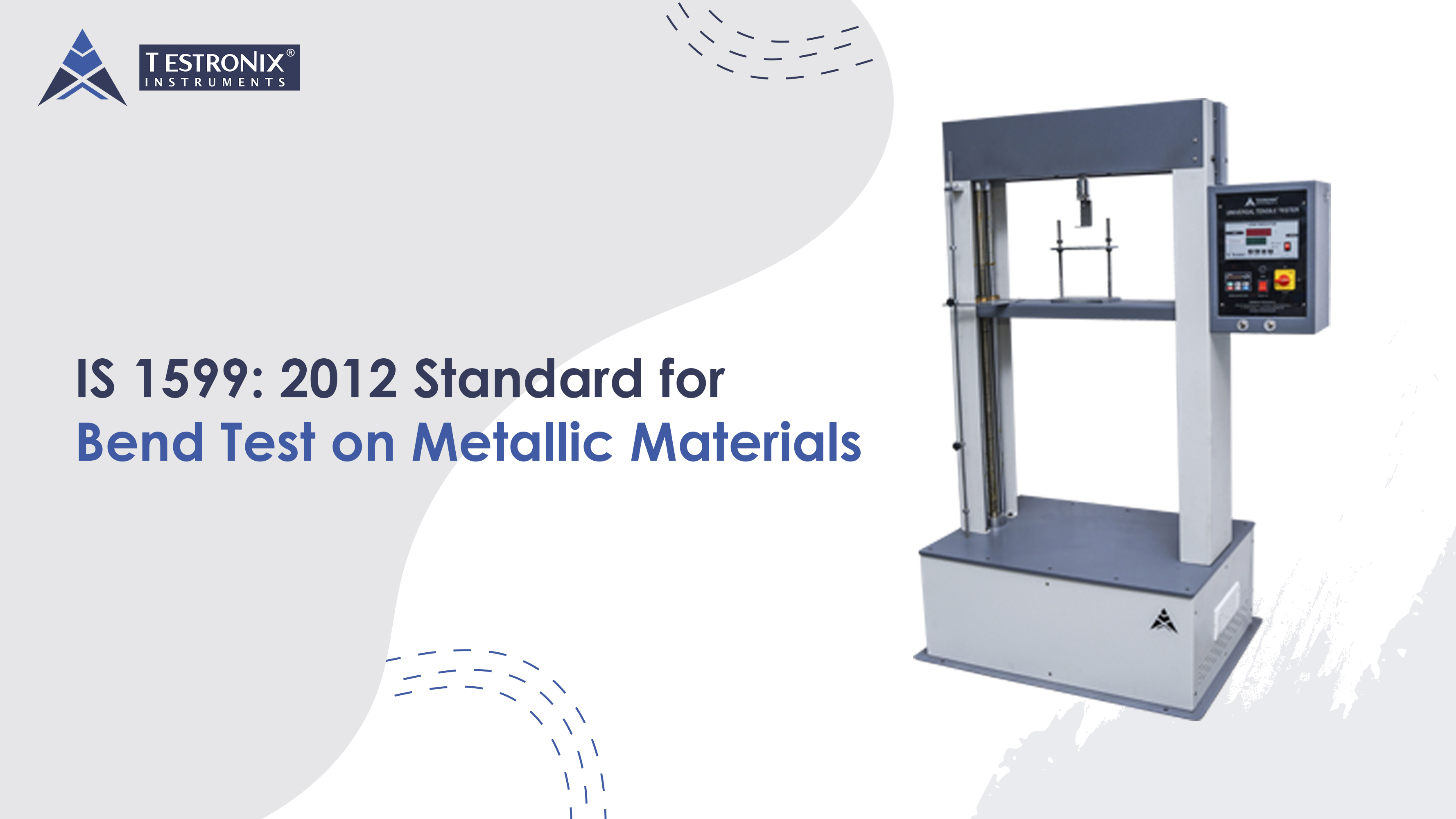
Testronix UTM Machine: IS 1599 Compatible Bend Testing Equipment
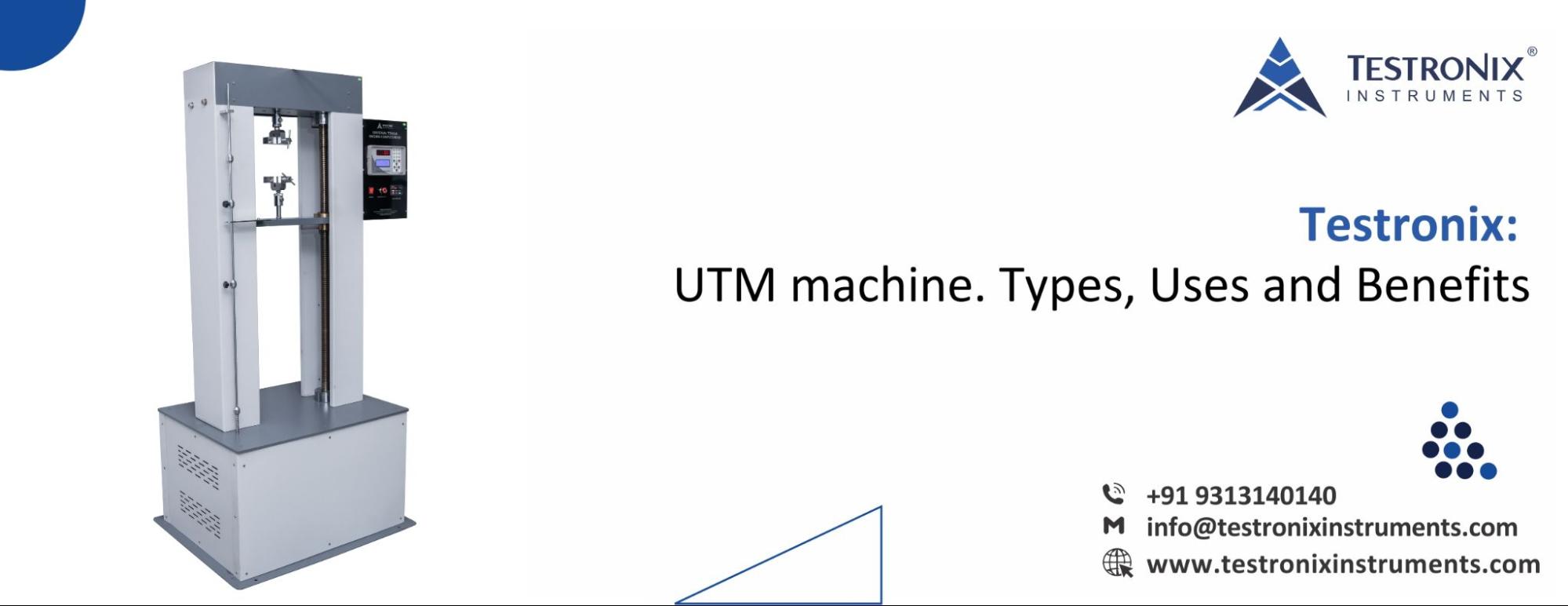
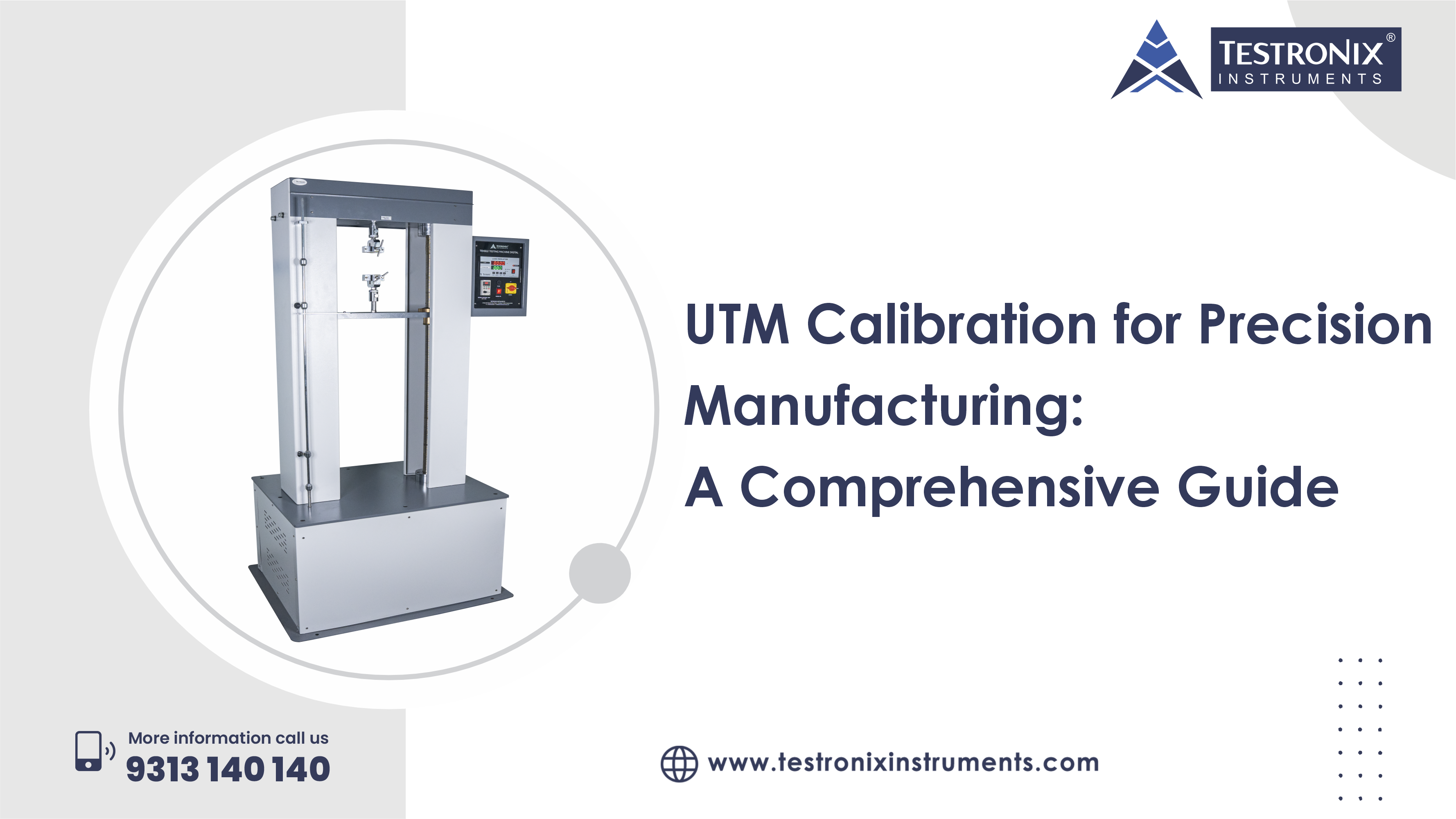
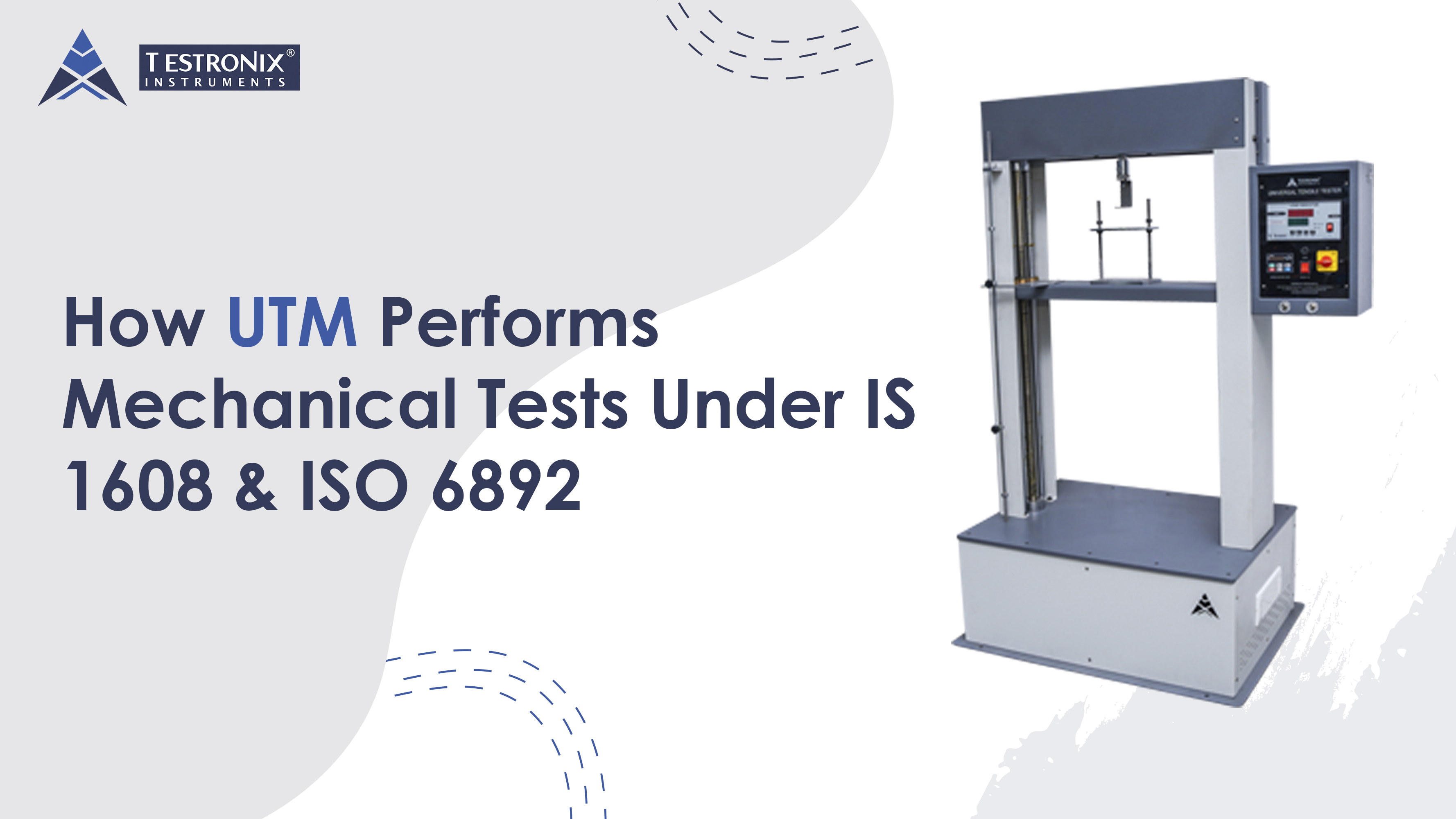
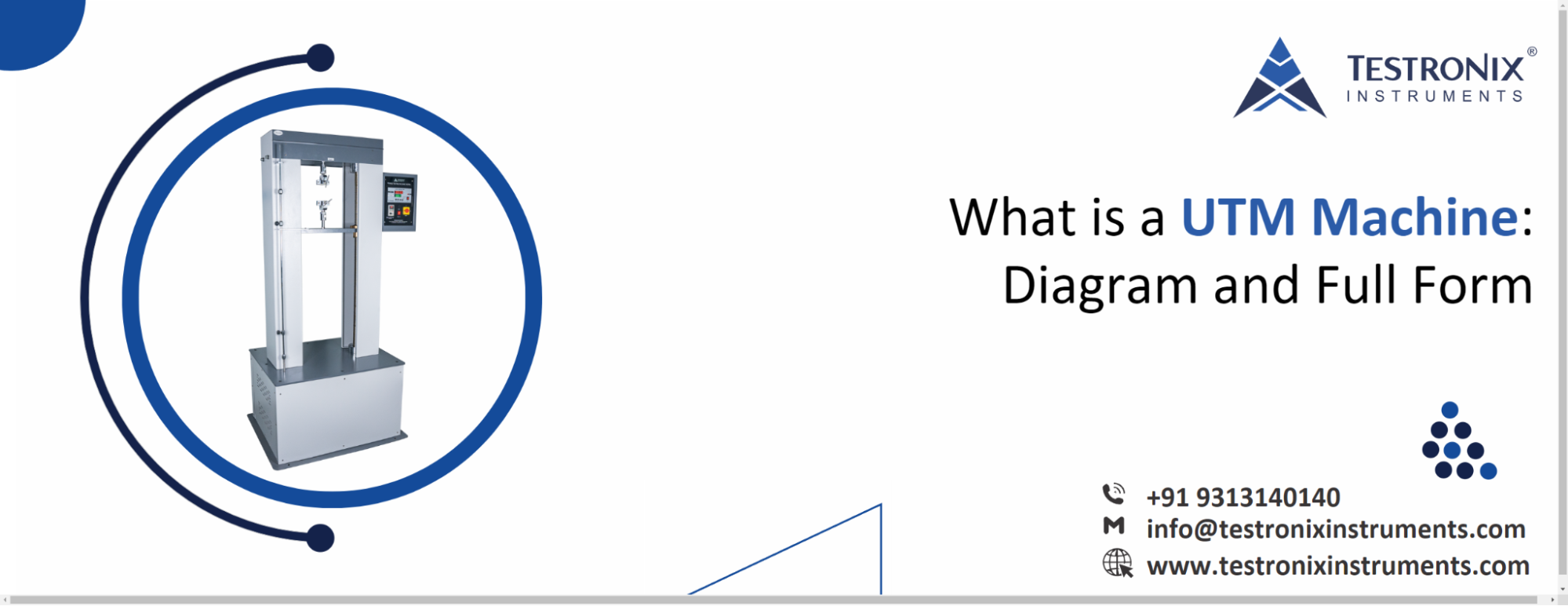
Getting the test right depends heavily on the machine. A Universal Testing Machine with a proper bend test fixture is what you need for IS 1599 testing. Testronix Instruments makes UTMs built for exactly this kind of work.
Our machines come with interchangeable mandrel sets so you are not locked into one specimen type. Crosshead speed is precisely controlled which removes one of the biggest variables in bend testing. The load frame is rigid enough that you are not introducing deflection errors when testing thicker sections.
What is genuinely useful is the highly advanced software that logs the force curve, stores test records, and produces reports that hold up during audits or supplier disputes. The machines are calibrated to NABL standards, so if a result gets challenged, the traceability is there. For labs handling regular incoming material inspection, that kind of documentation trail matters more than most people realize until they actually need it.
Conclusion
The bend test is not glamorous but it catches real problems before metal goes into production. IS 1599: 2012 gives the test a proper structure so results are consistent and defensible.
If you are building or upgrading a metals testing lab, Testronix Instruments is worth looking at. Our IS 1599 compatible universal testing machines are designed for industrial use and come ready with the fixtures you need. Visit the Testronix website or contact our team directly for a demo or to discuss your specific testing requirements. Getting the right machine upfront saves a lot of trouble later.