When a metal sample fails during production, the first question usually is not about the machine. Manufacturers want to ensure that the material itself is strong enough and does not lead to failure. This is exactly why manufacturing industries take tensile and mechanical testing seriously. A small mistake in testing can lead to wrong material approval, rejected batches or quality issues later in the field.
The Universal Testing Machine or UTM is a laboratory instrument used to test the strength and behavior of materials against the applied force. But simply running the machine does not warrant accurate and industry-aligned results, which is why standards like IS 1608 and ISO 6892 are being followed during tensile and mechanical testing. They give proper guidelines for how a Universal Testing Machine should perform the test, how samples are prepared, and how results are recorded. In this article, we will understand how UTM performs mechanical tests and how these two standards are used in real testing conditions.
How UTM Perform Mechanical Tests
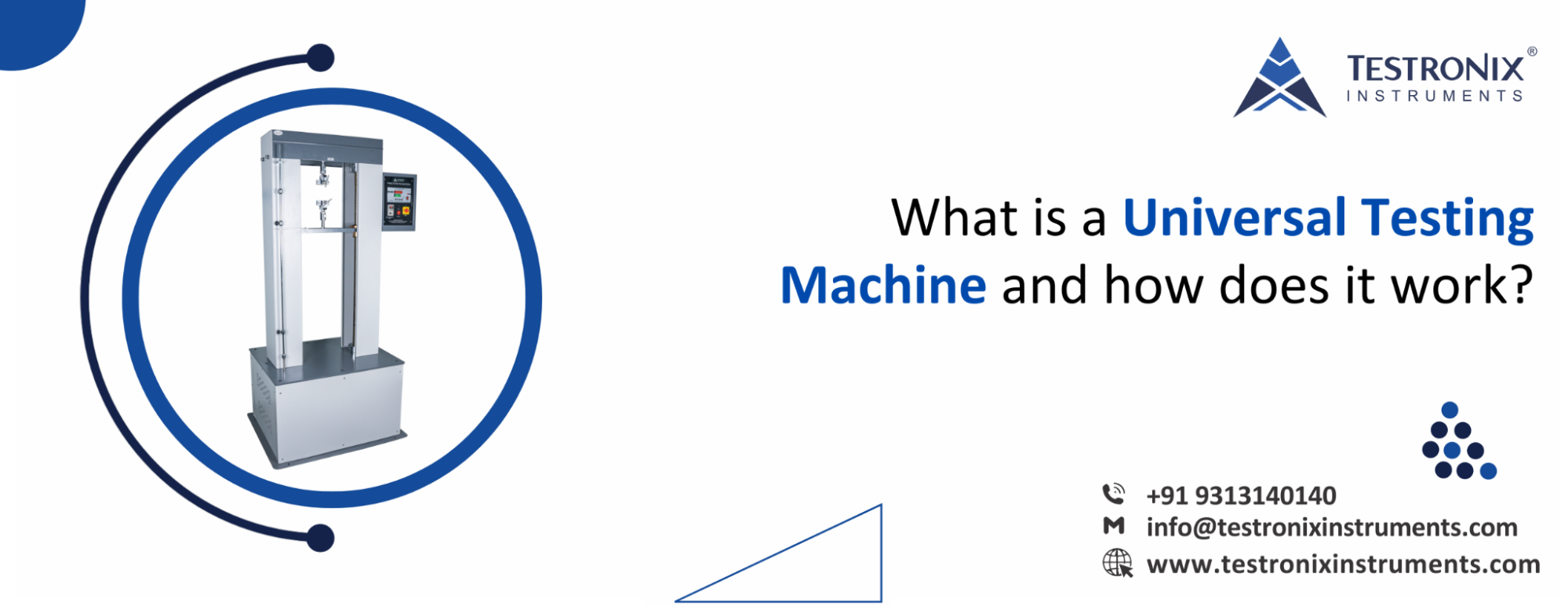
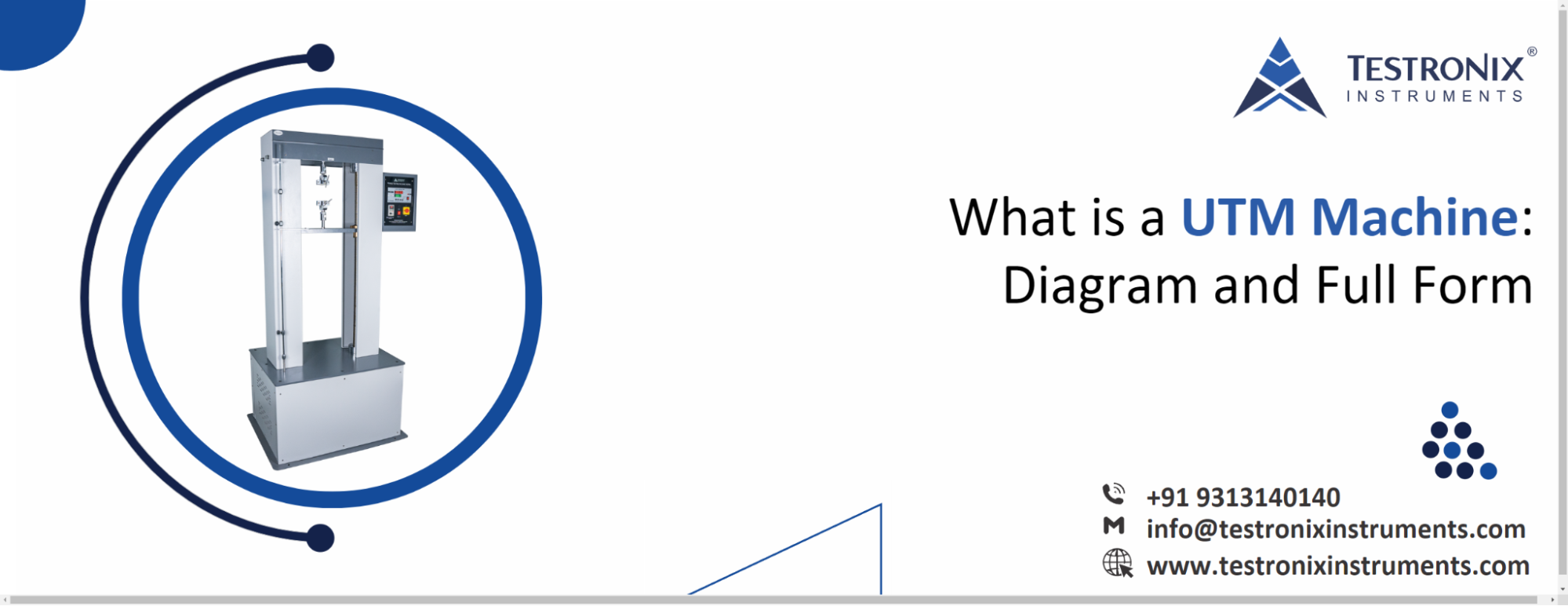
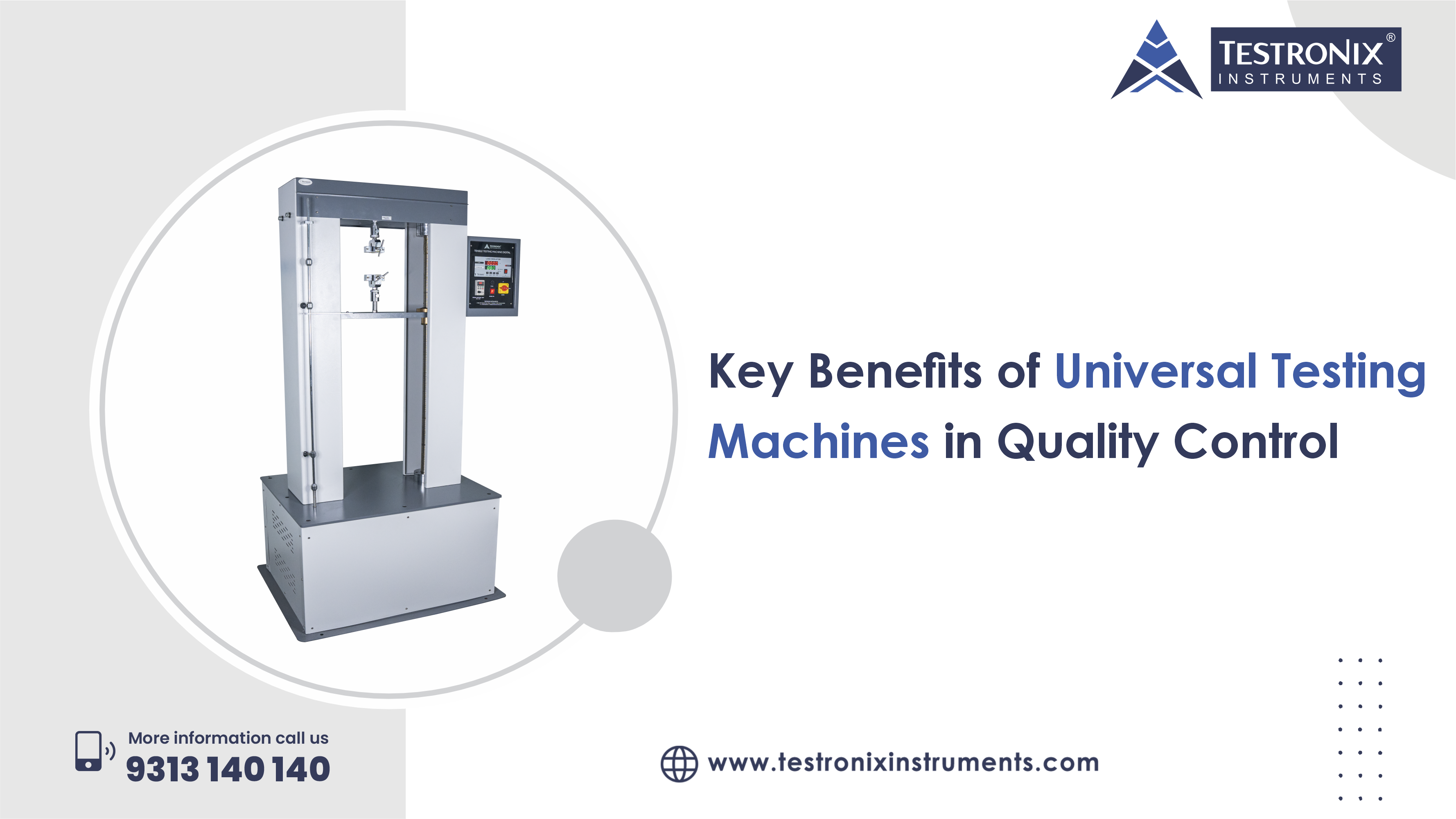
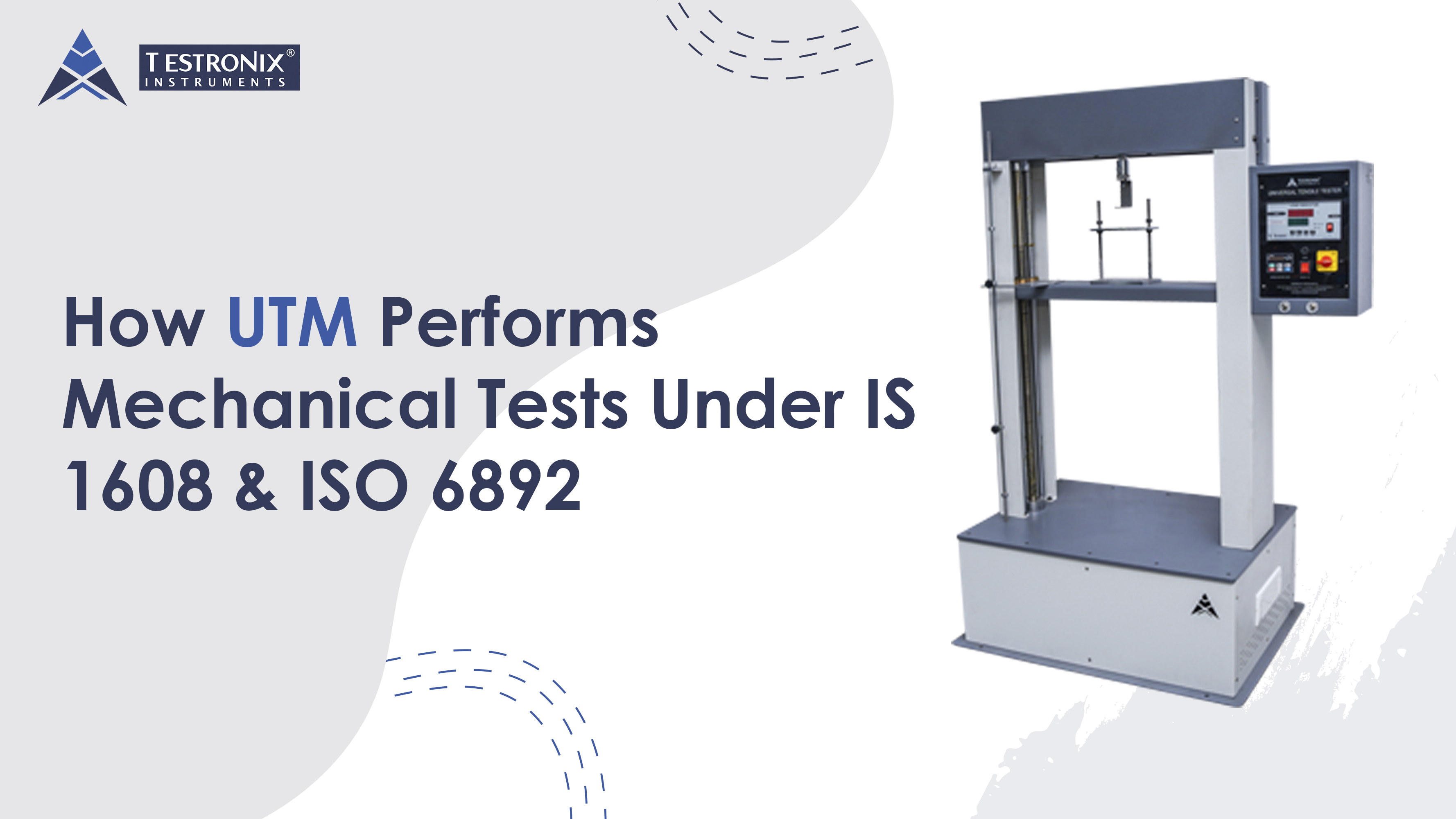
A Universal Testing Machine or a UTM, is used to measure the mechanical strength of materials. It checks how much force a material can handle before it stretches, bends or breaks. Industries use it for metals, plastics, rubber, packaging materials and many other products.
In simple terms, the machine grips the sample from both ends and applies controlled force. The software records load, elongation, yield point, tensile strength, and other values during the test. This part matters because the final numbers decide whether a material is suitable for production or not.
The testing process starts with sample preparation. The specimen must have the correct dimensions according to the selected standards of IS 1608 & ISO 6892. As the test begins, the machine gradually applies tensile force. The specimen starts stretching slowly. At one point it reaches the yield stage and then finally breaks.
The UTM captures the complete data curve during this process. Most modern machines also generate automatic reports, so the operator does not need to calculate values manually. Many laboratories now prefer computerized systems because they reduce operator error and save testing time.
Standard IS 1608 for UTM Testing
IS 1608 is an Indian Standard used for tensile testing of metallic materials at room temperature. It explains how the tensile test should be performed using a Universal Testing Machine. Most Indian manufacturing units and testing labs follow this standard while checking metal strength and elongation values.
The standard mainly focuses on consistency. If two labs test the same material under IS 1608 conditions, the results should remain very close. That is the whole idea behind following a standard method.
Stepwise Test Procedure Under IS 1608
1. Sample Preparation
The first step is to prepare test specimens to the correct dimensions and to determine the results. When testing, the specimen surface must be smooth as well as free from damages and bends; therefore, improper cutting of a specimen can influence the outcome of that specimen's test results as well.
2. Measure Initial Dimensions
Before a specimen can be tested, all dimensions need to be measured properly and recorded in written form. The operator verifies that all of the measured dimensions are the correct reference lengths for each sample. The operator also measures the thicknesses or diameters of the samples being tested. All of these measurements will be used in calculating tensile properties and elongation.
This step looks basic but it affects the final report directly. If the dimensions are even slightly off, the test values can shift as well. In most labs, people take these readings twice just to avoid unnecessary mistakes.
3. Mount the Specimen
After measurement, the specimen is placed between the upper and lower grips of the UTM. The sample needs to sit properly in line before the machine starts pulling it.
If the specimen is tilted or loose, the break may happen unevenly. Operators usually check the grip position once again before starting the test because repeating the whole process wastes both time and material.
4. Set Test Parameters
Now the testing settings are selected from the machine software. The operator sets the testing speed, load capacity, and other required values according to the IS 1608 standard.
There is no single setting for every material. The tensile testing characteristics of thin test specimens, heavy metal rods, and flat test specimens are different. Therefore, experienced operators typically change the test parameters (i.e., they normally will not use fixed values) based on how the test specimen is classified.
5. Apply Tensile Force
Once the setup is complete, the machine begins applying force slowly to the specimen. The sample starts stretching little by little while the software records the readings in the background.
As the load keeps increasing, the material reaches its yield stage and finally breaks. The full graph is generated during the test itself. Most modern UTM machines show live values on screen. So the operator can watch how the material reacts during the entire process.
6. Yield and Break Point Observation
As the load increases, the material starts showing signs of yielding. The latest digital UTM machines are fitted with the capability of automatically measuring critical properties such as yield strength, tensile strength and fracture strength. This self-monitoring feature allows us to understand the limits of the material and provides data on how a specific material reacts under pressure making it easy to ensure safety and efficiency in various applications.
Standard ISO 6892 for UTM Testing
ISO 6892 is an international standard used for tensile testing of metallic materials. It is widely accepted across global industries and export manufacturing units. The standard defines testing methods under controlled conditions so results remain reliable across different countries and laboratories.
One of the key features of ISO 6892 is its emphasis on controlling the rate of strain during testing. It provides very precise information about how fast a test should be run throughout various parts of a test to ensure maximum accuracy of results obtained from testing advanced engineering materials.
Stepwise Test Procedure Under ISO 6892
1. Select Test Specimen
The specimen is prepared according to ISO dimensions and shape requirements. The material surface should remain clean and free from scratches or machining defects.
2. Measure Gauge Length
The original gauge length and dimensions are measured before testing begins. Accurate measurements are necessary because final stress calculations depend on them.
3. Install the Specimen in UTM
The specimen is mounted carefully inside the grips of the Universal Testing Machine. Alignment is checked properly to avoid bending stress during the test.
4. Configur Testing Speed
This stage is very important under ISO 6892. The operator sets strain rate or stress rate according to the standard requirements. Different materials may require different loading conditions.
5. Start Tensile Test
The machine applies tensile force gradually while the software records the complete behavior of the material. The graph develops in real time during testing.
6. Monitor Mechanical Properties
The software calculates yield strength, tensile strength, elongation, and proof stress values during the test cycle. Advanced UTM systems also display live curves for analysis.
7. Final Fracture and Report Generation
Once the specimen breaks, the machine stops automatically. The operator reviews the final report and compares values with required specifications.
ISO 6892 is commonly used in automotive, aerospace, heavy engineering, and export industries. Companies prefer this standard because international clients usually demand globally accepted testing methods.
Download PDF of IS 1608 and ISO 6892 Standards
If you want a better understanding of both testing standards, it is better to download the PDF versions of IS 1608 and ISO 6892. Keeping them handy during testing can save time and reduce confusion while setting machine parameters or preparing samples.
Conclusion
Mechanical testing is not only about applying force to a sample. Using acceptable standards, a correct setup of machines, and having tests conducted under replicable conditions will determine the overall accuracy throughout the entire process. Standards have been developed to assist in establishing a definitive procedure for testing the tensile properties of a product - including IS 1608 and ISO 6892 - making it possible for manufacturers to have confidence in the final results.
A good Universal Testing Machine also plays a major role here. Stable load control, precise gripping, and accurate software reporting make testing smoother and more dependable. For precise testing, Testronix Instruments has become the trusted name in this field because we design high-quality UTM machines for practical industrial testing requirements. Whether you run a quality lab, manufacturing unit or research facility, choosing the right UTM manufacturer and supplier make all the differences.