Lab teams often struggle to decide whether thermal testing alone is sufficient or if they also need to test for moisture in the air. Humidity chambers and temperature chambers are primarily used for this purpose. The two chambers look the same from the outside but they do very different things on the inside during a test cycle.
These two testing chambers are used across different industries, including manufacturing, electronics, and pharmaceuticals, to simulate realistic climate situations. For instance, excessive heat can contaminate plastic primarily but moisture poses hidden threats to products with corrosion, cracks or mildew formation. A specific testing instrument is used to evaluate the specific real-world conditions.
This is why understanding the difference between thermal testing and moisture evaluation is important to avoid manufacturing defects and ensure product longevity. In this article, we will explain how both machines operate with real-world examples. A humidity chamber vs temperature chamber are compared side by side to help you analyze which one is better for you in particular lab requirements.
What is a Humidity Chamber?
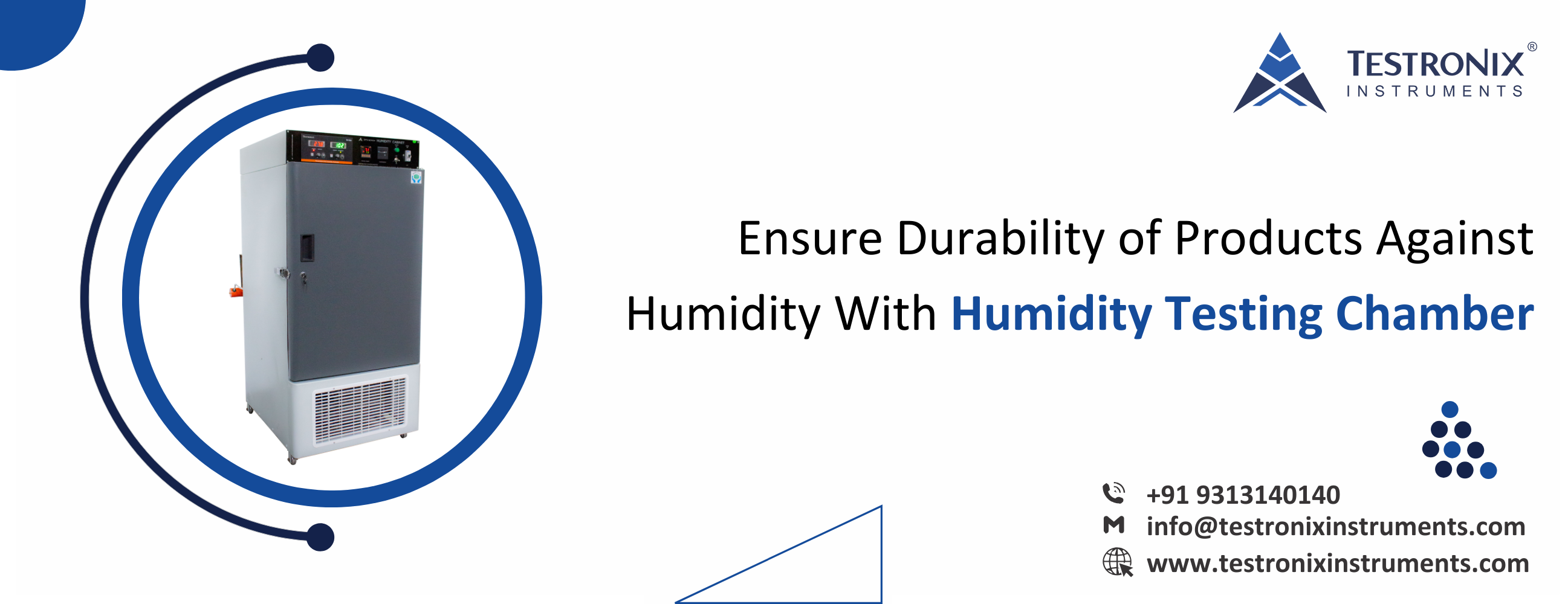
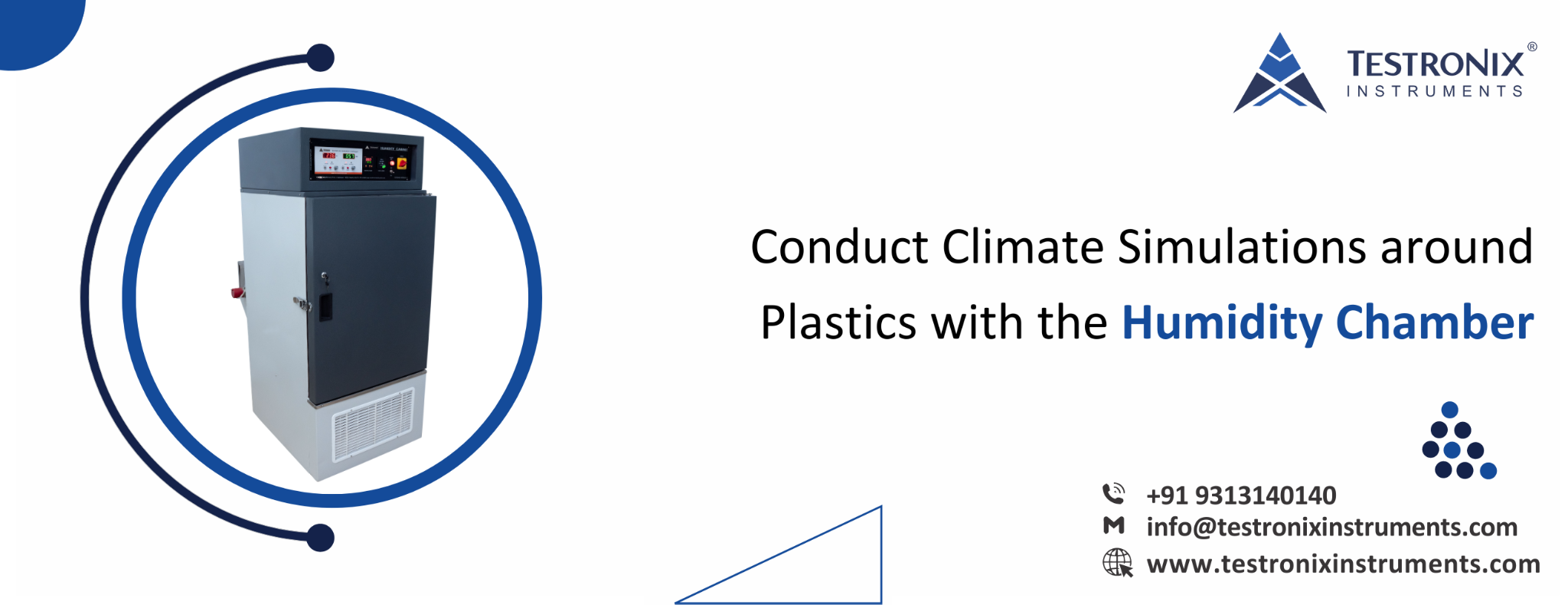
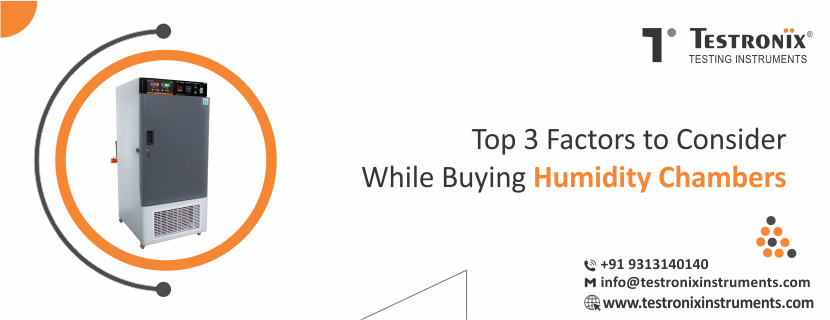
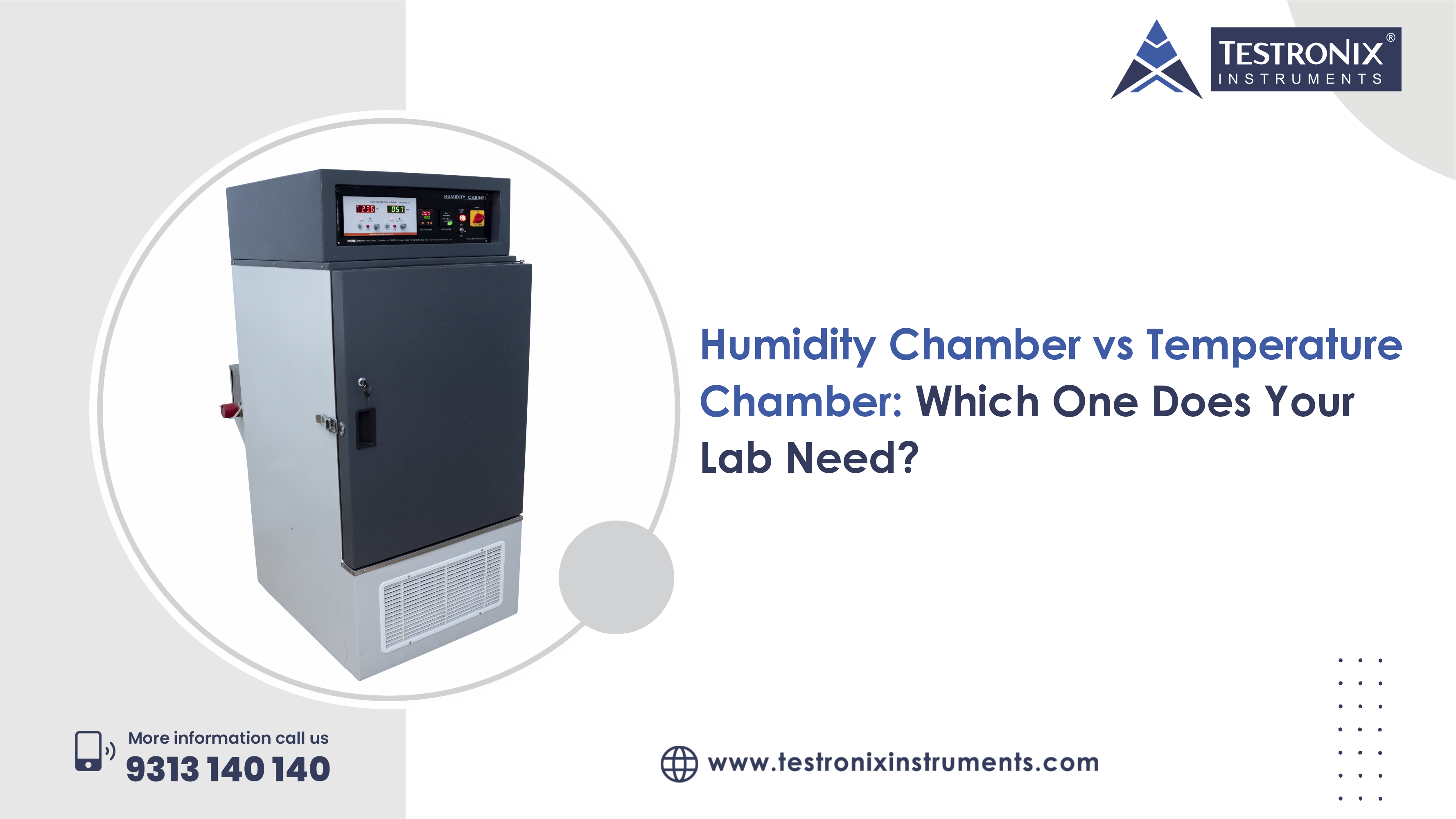
A humidity chamber is a specialized testing enclosure that controls both temperature and moisture levels simultaneously to simulate various climate conditions. It allows technicians to evaluate how materials withstand high moisture, steam or dry air over short or prolonged periods.
In simple terms, a humidity chamber does not just heat or cool things down. It adds water vapor or dries out the air inside the cabinet using built-in steam generators and cooling loops. This double action creates harsh climate scenarios that push materials to their physical limits.
Moisture travels through tiny cracks and permeable surfaces where dry air cannot penetrate. When water vapor enters printed circuit boards or cardboard packaging, it can destroy adhesives, cause rusting or cause electrical malfunction. Running samples through the moisture cabinet allows you to see the weathering effects over many years in just a few days!
Example of Humidity Chamber Testing
An example of humidity chamber testing is the placement of medicine bottles in a cabinet that is set to 40 degrees Celsius and 75 percent humidity. The test shows if moisture breaks through the seal, dissolves the pills or ruins the medicine before its expiration date.
Pharmacies and the drug industry use these tests for months under strict regulatory rules. If moisture penetrates past the cap seal, the tablet softens and loses its effectiveness. Seeing this happen in the lab helps packaging teams fix bottle caps before shipping products to stores.
What Is a Temperature Chamber
A temperature chamber is an environmental testing enclosure designed to control thermal conditions within a specific space without managing moisture levels. It subjects samples to extreme hot or extreme cold temperatures to test thermal stability, material expansion, and structural integrity.
A temperature chamber is essentially a heavy-duty oven and industrial freezer mixed together. It has powerful heating elements and refrigeration compressors that cycle the internal air between hot and cold setpoints.
This setup does not include water tanks or steam injectors. While moisture in the air changes naturally when temperature rises or drops, the cabinet does not measure or adjust that humidity. That makes these units simpler to build, easier to clean, and great for testing solid items that do not absorb water vapor.
Example of Temperature Chamber Testing
An example of temperature chamber testing is putting rubber car engine gaskets through rapid thermal cycles between freezing and high heat. Manufacturers run this test to see if rubber loses its stretch or cracks under quick temp shifts.
Under real driving conditions, engine parts go from freezing cold winter nights to boiling hot operational heat in minutes. The test involves exposing rubber specimens to constant temperature variations for days. If the material is found to be brittle or to shrink, engineers will adjust the rubber formula before it goes into mass production.
Humidity Chamber vs Temperature Chamber
A humidity chamber handles both temperature and moisture simultaneously, while a temperature chamber only controls hot and cold air levels without water regulation. The table below lists their primary operational differences side by side:
|
Parameter |
Humidity Chamber |
Temperature Chamber |
|
Primary Function |
Controls temperature and relative humidity simultaneously |
Controls dry temperature and hot and cold extremes only |
|
Environmental Simulation |
Simulates tropical, humid, marine, or arid climates |
Simulates extreme hot deserts or freezing arctic conditions |
|
Internal Mechanisms |
Heaters, cooling coils, steam generators, water reservoirs |
Heaters, compressor cooling units, air circulation fans |
|
Main Failure Types Tested |
Corrosion, swelling, electrical shorts, mold, delamination |
Thermal expansion, cracking, brittleness, melting, shrinkage |
|
Water Supply Requirement |
Requires continuous distilled or demineralized water supply |
Requires no water connection or fluid drainage setup |
|
Equipment Complexity |
Higher engineering complexity due to dual system balance |
Straightforward thermal control systems |
|
Maintenance Demands |
Requires regular water system cleaning and sensor calibration |
Requires standard refrigeration and heater maintenance |
Humidity Chamber vs Temperature Chamber: What You Need?
Whether a humidity chamber or temperature chamber is right for you significantly depends on your industry and products. If your samples sit in humid environments, you need a humidity chamber, but if they only face temperature shifts, a standard temperature chamber works fine.
If your product is exposed to harsh temperature and humidity as well, you should go for a humidity chamber rather than a temperature chamber alone. Your purchase also depends on your budget. If you are only doing thermal testing, then a humidity chamber is just more maintenance with water system refills and moisture sensor calibration for your lab. Money spent on features you never use is money that could have been spent on other lab tools.
Before you decide whether you need a humidity chamber or a temperature chamber, ask yourself the following questions:
-
Does your product feature electronic circuits or exposed metals that corrode when damp?
-
Do your testing guidelines specifically call out relative humidity percentages?
-
Will your material absorb water from the surrounding air during storage or shipping?
-
Are you testing paper, cardboard, textiles, or glues that weaken when wet?
If you answered yes to those points, a humidity chamber is necessary. If your products only deal with dry thermal stress, a temperature chamber covers your needs completely.
Testronix Instrument Humidity Chamber for Your Laboratory
A reliable humidity chamber matters because precise moisture control keeps your test data accurate and repeatable over long test runs. Testronix Instrument stands out as a leading humidity chamber manufacturer that builds reliable humidity chambers designed for rigorous daily laboratory testing.
Testronix humidity chambers are equipped with innovative digital microprocessors that keep moisture and thermal setpoints completely stable. Our equipment uses heavy-duty stainless steel interiors, automated water refill mechanisms, and high-precision sensors that stop settings from drifting off target.
By using our lab testing instruments, lab operators and businesses ensure that test results meet international standards such as ASTM and ISO. Our testing equipment features intuitive digital controls, energy-efficient operation and cabinet sizes that can be customized to accommodate various product workloads.
Conclusion
The choice between a humidity chamber and a temperature chamber boils down to whether water vapor is an important factor in the durability of your products. In contrast to the temperature chamber, which simply examines the heating and freezing level limits of items, the humidity chamber provides a full climate simulation owing to the simultaneous assessment of temperature and humidity levels.
Using the right test equipment in your lab protects your product quality and prevents unexpected failures in the market. If your testing standards call for accurate humidity control alongside thermal management, check out the humidity chamber selection from Testronix Instrument to upgrade your lab setup today.