The pharmacy laboratories work with greater accuracy, safety, and efficiency than they do today. Advanced laboratory instruments ensure adherence to global quality standards including WHO, USP, EP, and ISO, leading to more precise test outcomes and faster turnaround times. In this article, you will get a detailed guide on the top 7 pharmaceutical lab equipment that are essential for modern laboratories.
What is Pharmaceutical Lab Equipment
The term "pharmaceutical laboratory equipment" refers to the wide variety of specialized tools, instruments, and equipment used in research and development for pharmaceuticals. Quality control (QC) tests on pharmaceutical products are conducted utilizing the necessary equipment to ensure their purity, efficacy, and safety.
Top 7 Pharmaceutical Lab Equipment for Laboratories
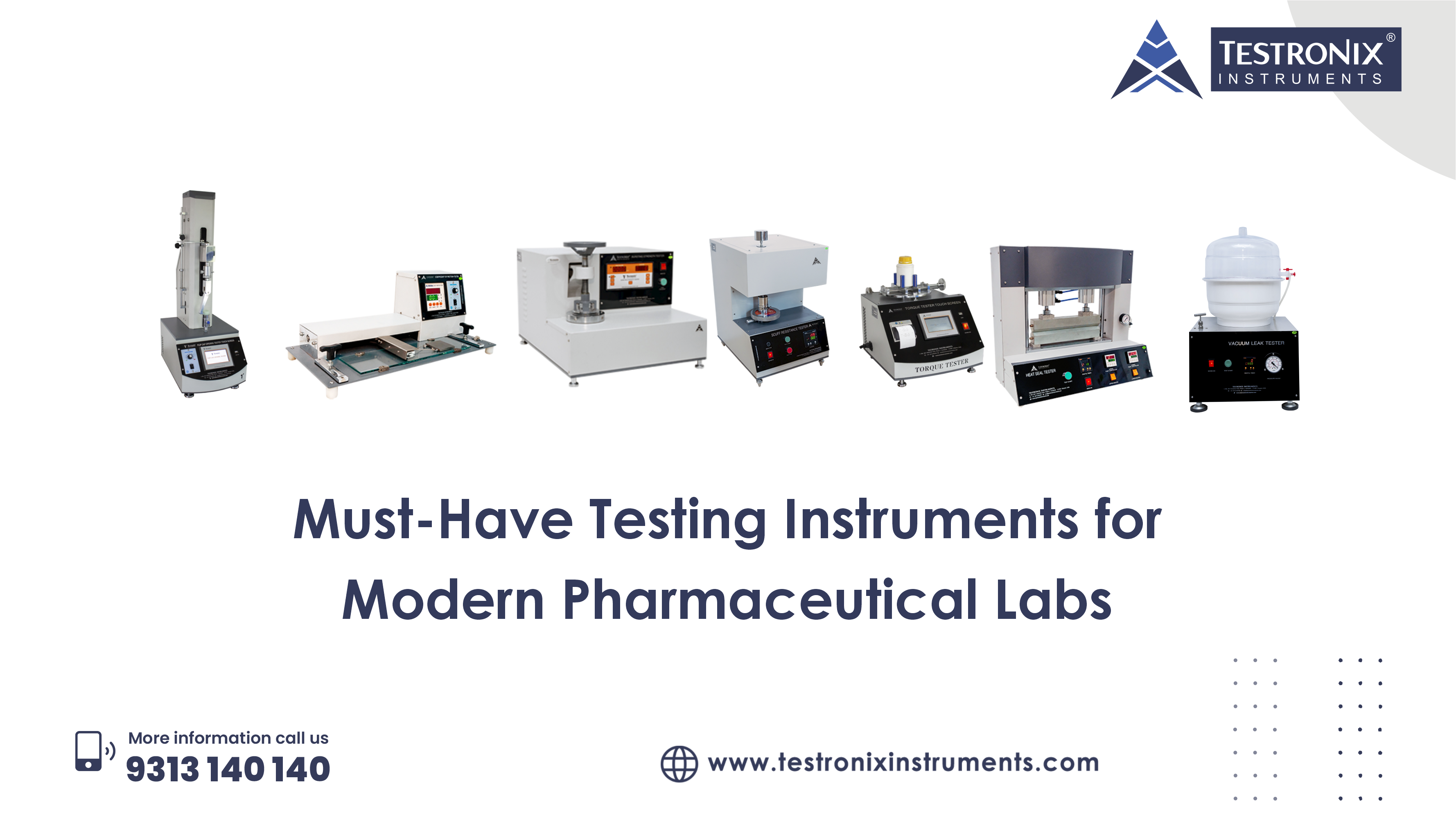
Here are the top 7 pieces of pharmaceutical lab equipment for the laboratories mentioned below:
-
Bursting Strength Tester
A Bursting Strength tester determines how much stress a material can handle before it breaks apart. This type of machine is commonly used in the packaging industry for determining a variety of materials' resistance to pressure as part of their quality assurance programs.
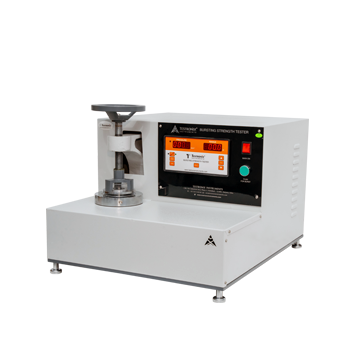
Equipment such as the bursting strength tester is an integral part of quality assurance in the packaging (e.g., corrugated box) and textile industries for accurately measuring the bursting strength of a material.
Key features of a Bursting Strength Tester:
-
Operating Systems: All tests are performed using a microprocessor-controlled interface to produce an accurate and digital display of the test values.
-
Clamping System: The specimen is held using a set of heavy-duty, usually air-powered clamps that ensure that there is no movement of the specimen during the test.
-
Pressure Mechanism: A screw jack (ball screw) operates as a hydraulic system with a rubber diaphragm on the bottom side of the specimen to apply uniform and multi-directional pressure to the specimen.
-
Peak Hold & Memory: All test results are stored in some manner, either by recording the peak value or having the ability to retain (a maximum of 9) the entire batch of data.
-
Data and Output: Data output options include digital displays or computer access, along with thermal printing options (for advanced equipment).
-
Safety Features: Various methods are used to ensure that the tester operates in a safe manner, such as the use of safety switches to limit the rate of force being applied and to avoid subjecting the specimens to excessive pressure.
-
Torque Tester
Torque tester measures, monitors, or calibrates the torque being applied to fasteners, caps, and tools. Torque testers come in automatic/manual and digital formats and, in all cases, provide accurate, consistent, and secure fastening characteristics. These are helpful in industries such as packaging, the automotive industry, and manufacturing.
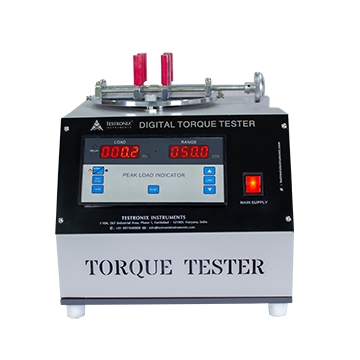
Key Features of a Torque Tester:
-
Adjustable Clamping/Fixturing: Flexible, adjustable clamps/pegs (generally 4-knob) keep different shapes and sizes of bottles/components fixed to avoid slipping while performing a test.
-
Peak Value Memory: Instruments provide the capability to remember the peak torque being applied (peak mode) for speed in assessing the closing/opening torque.
-
Data Management & Connectivity: Most instruments allow for recording multiple values (i.e., 9 to 10 samples) and can have a USB or RS232 connection to a computer for data logging and doing statistics (e.g., min/max; std dev).
-
Motorized vs. Manual Operation: Instruments are offered with either manual, portable, or motorized versions; however, motorized versions provide more repeatability for automated, high-volume, or assembly line testing.
-
Safety Features: Instruments have one or more safety features (e.g., safety lock pins or auto-stop features, e.g., stopping at a certain angle) to protect the torque sensor from being overloaded or to protect a test piece from damage.
-
Peel Strength Tester
A peel strength tester is a specified kind of laboratory device that employs microprocessor technology to identify the power to tear two bonded materials far apart (or peel them apart). Bonded materials, such as film, seals, adhesive tape, and laminate, are examples.
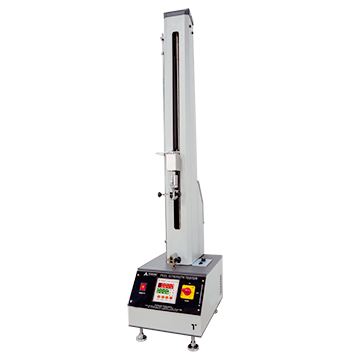
Key Features of a Peel Strength Tester:
-
Adjustable Peel Angle: It provides both 90° & 180° testing in order to mimic actual packaging conditions accurately and consistently across multiple batched items.
-
High-Precision Load Cell: This provides accurate measurement of force for thin laminates, as well as medical blister packaging, providing stability control & repeatable results.
-
Digital Display & Software: This provides instantaneous graphs, data storage, & easy report generation (traceability, compliance, PDF, CSV, & export options).
-
Multiple Grip Fixtures: They allow testing to be done with films, foils, pouches & blister packs securely without slippage or damage. Versatile design; quick setup.
-
Variable test speed: variable test speed provides a way to accurately assess how the seal reacts when it is subjected to different levels of force on a continuous basis with reliable control to ASTM/ & ISO/ methods.
-
Box Compression Tester
A Box Compression Tester (BCT) is used to determine the maximum compressive strength and load?bearing capacity of corrugated boxes and other packaging materials. The test is performed by applying a downward force with the aid of a motorized movable plate. Thus simulating the conditions under which packages are stacked and allowing us to determine the exact load that a package can secure before it collapses.
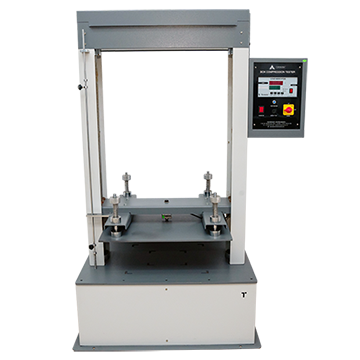
Key Features of a Box Compression Tester:
-
Preventing Product Damage: By assessing how much weight a container can hold, this process helps ensure that packages maintain their contents intact while being stacked on trucks and during loading and unloading.
-
Optimizing Packaging Material: It helps manufacturers determine if a box has too much or too little engineering for the purpose, resulting in the potential for reduced or saved material costs while still meeting required performance levels (box strength).
-
Having Quality Control: It provides a level of reliability and repeatability of data and creates the ability to confirm and verify that materials have met specifications for strength and durability (applies to the packaging industry).
-
Simulating Actual Conditions: It simulates the amount of vertical pressure that is placed on boxes as they are stored in warehouses or transported inside shipping containers.
-
Increasing Customer Satisfaction: Helping you make sure your products are delivered to the final customer without defects helps build your company’s reputation and prevents products from being returned.
-
Vacuum Leak Tester
Vacuum leak tester is a device used in the quality control of packaged goods, bottles, and other sealed items to identify any openings or leaks from the inside and out. Therefore, it is necessary to confirm that the items have been sealed correctly. It creates a vacuum inside a chamber, thereby allowing you to measure the change in pressure and detect whether there is any escape of air or liquid from within the item. They are used extensively in pharmaceuticals, food, and other manufacturing sectors to ensure that their products meet quality standards.
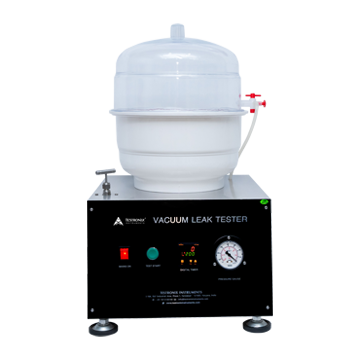
Key features of a Vacuum Leak Tester
-
Digital Controls With High Precision: Microcomputer-based digital control makes it possible to achieve high-quality results and a typical digital display for pressure monitoring.
-
Adjustable Vacuum and Time: Each material has its own unique parameters adjustable for different materials, giving the operator the ability to set adjustable vacuum pressure and timer settings (hours/minutes/seconds).
-
Clear Test Chambers: The clear chambers are manufactured from durable materials that enable you to visually inspect the chamber for evidence of gas bubbles, which could indicate that there is a leak in the test specimen.
-
Non-Damaging Tests: These tests are designed to assess the quality of a product without the product sustaining damage. Therefore, you are able to continue to use the product after the quality test has been performed.
-
Data Management and Record Keeping: The data logger is designed to facilitate the recording of the test results in accordance with international quality standards such as U.S.P. 28.
-
Suture Tensile Tester
A Suture Tensile Tester is a sophisticated, highly accurate laboratory device for testing how strong and how well sutures (both absorbable and non-absorbable) and needles hold their intended position.
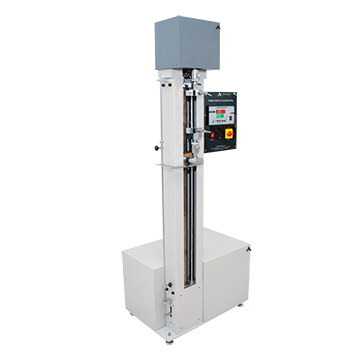
Key Features of a Suture Tensile Tester
-
Specific Grips: Some specific features of the grips are: The Suture Thread Grip Kit and Suture Needle Grips both securely hold the sample material, preventing any slippage or damage.
-
High Degree of Precision Testing: The high degree of precision is accomplished through the use of a very high-precision load cell (for example, 0.002 kgf) to measure with accuracy both the breaking load and the elongation.
-
Automated Works: Computerized models can provide real-time graphs, record data, and produce reports automatically.
-
Controlled Speed of Testing: The speed at which a sample is tested is controlled by the operator and varies from approximately 10 to 300 mm/min.
-
Comply with all International Industry Standards (i.e., USP/BP) for testing medical devices.
-
Melt Flow Index Tester
Melt Flow Index Tester (MFI) measures how quickly a thermoplastic flows when heated and put under different forces. The MFI tester measures how much of a certain type of plastic can be measured by a machine in grams and how well it flows and fills a die (capillary type) in 10 minutes.
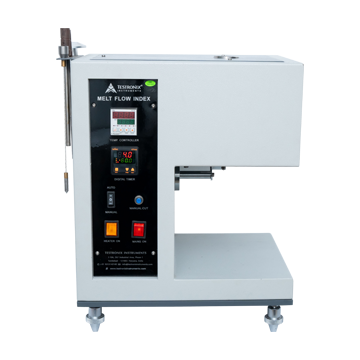
Key Features of a Melt Flow Index Tester
-
Precise Temperature Control: A microprocessor-controlled PID controller is used to provide stability and consistent heat in the barrel with a temperature up to 400 degrees Celsius, with a precision of 0.1 degrees Celsius.
-
Automated Operation: Motorized, automatic sample cutting provides accurate timing and weight measurements.
-
Standardized Components: The precisely formed steel barrel, piston, and hardened calibrated dies (usually sized at 2.095 mm and 1.18 mm) are used together for accurate extrusion.
-
Digital / Computer Interface: Provides real-time digital display (temperature) and, in the advanced versions of the tester, automatic calculation of MFI / MVI values with data-logging activities.
-
Robust Design: The durable powder-coated design provides a corrosion-free structure for use in an exacting laboratory or factory.
Conclusion
The selection of the appropriate pharmaceutical laboratory equipment is critical to the desired quality, safety, and regulatory compliance in 2026 and beyond. The seven instruments listed are typical ones that are employed in such needs as packaging integrity, material performance, and product safety. Acquiring high-quality, standards-based components of equipment contributes to the enhancement of the productivity of the lab and the amplified quality assurance.