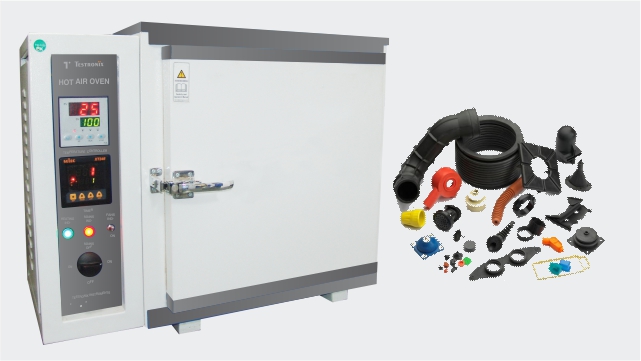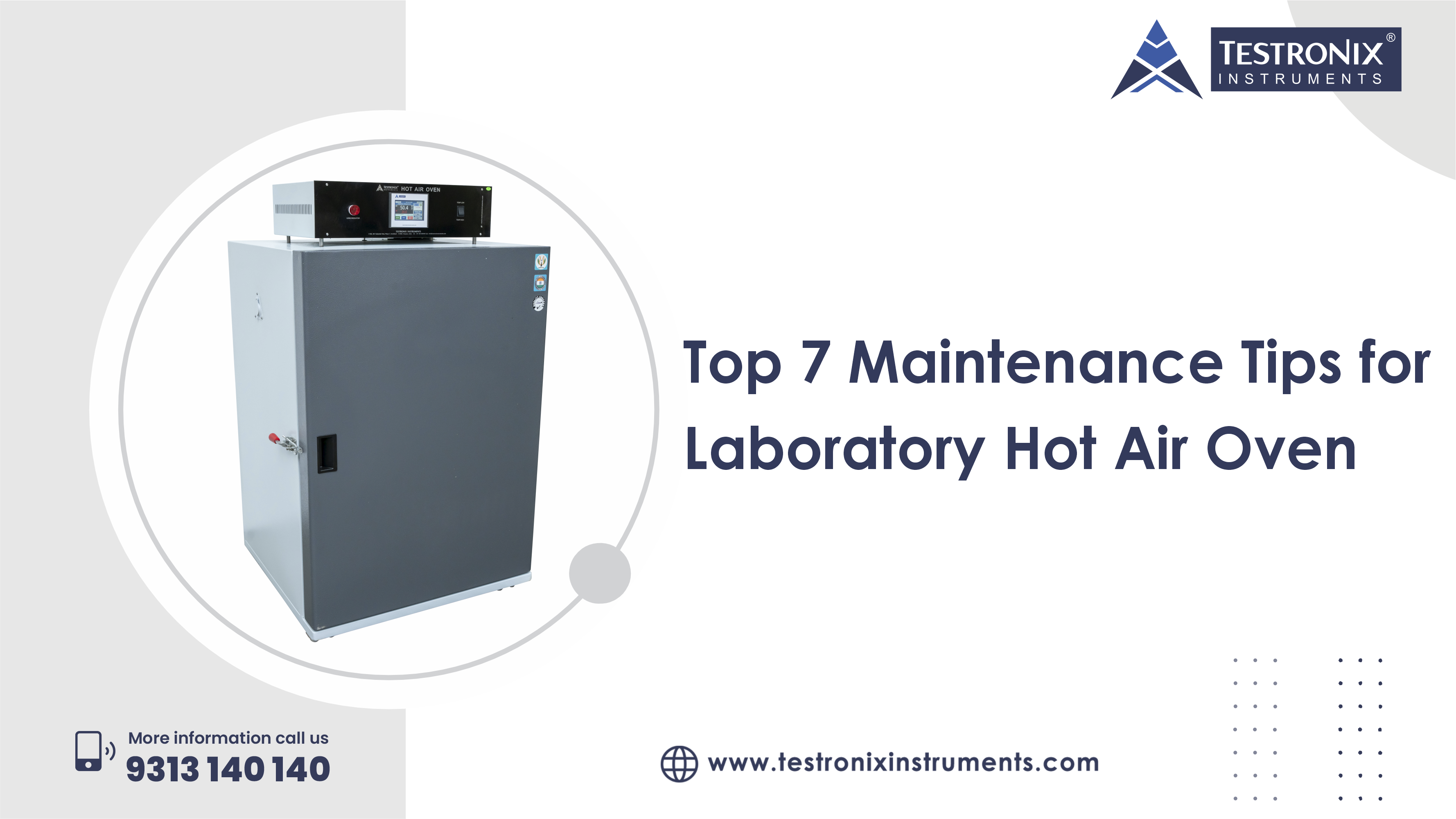
Hot air ovens are widely used in laboratories, including research laboratories and industrial laboratories, to dry-sterilize and heat-treat samples. The hot air oven performance requires controlled maintenance to guarantee the functionality and safety of the equipment. Regular service extends the life of the hot air oven and assists you in getting correct and trustworthy results from the experiment.
What is the use of hot air oven in laboratory?
Hot Air Oven use dry heat to sterilize laboratory equipment, glassware, and certain materials. They are widely used for:
Sterilization
Laboratory hot air ovens are capable of sterilizing heat-resistant items such as metal instruments and glassware by destroying microorganisms. This is done so that all laboratory materials can be safely handled and no contamination can occur during experiments. The process also helps ensure that laboratory results in the areas of microbiology and pharmaceuticals are accurate.
Drying
Hot air ovens are used to dry powders, chemicals, and biological specimens to remove all moisture. By controlling the drying process, degradation due to water is prevented, accurate weights are achieved, and materials are prepared to carry out additional experiments or for storage. These functions are important for obtaining both chemical and analytical results that can be relied upon.
Heat Treatment/Curing
To evaluate materials' strength, ovens produce continuous dry heat to cure coatings and bake materials. Heat modifies the physical properties of a material and improves its durability by providing a method for determining a material's performance against certain criteria in controlled environments.
Sample Preparation
Samples used in laboratories utilize hot air ovens to dry or cure the substances being tested at constant temperatures. Thereby ensuring that they have uniform parameters to achieve moisture-free samples and create an environment conducive to obtaining accurate chemical, biological, and/or physical data.
Quality Control
Pharmaceutical, food, and research laboratories use ovens in order to gain and sustain sterility and stability of their products by providing uniform heating. The method enables compliance checks against appropriate regulatory standards. It also allows for contamination avoidance and the confirmation of compliance with all safety and quality measures during the experiment.
Why are calibration and maintenance important?
Calibration and maintenance are important to improve the accuracy of measurements according to industry standards, improve equipment performance, and ensure systems run safely and comply with applicable standards.
Accuracy and Reliability
Gauges and other instruments used should be calibrated to guarantee that they measure what they are supposed to measure. Otherwise, the information presented tends to be incorrect or misaligned, which, in turn, would lead to the defective adjustment of the system or the creation of faulty products.
Safety Hazards
The conditions may also be unsafe due to the improper calibration and maintenance of equipment (e.g. the use of a medical device providing erroneous measurements). Thus, malposition diagnosis or malfunction of industrial equipment can lead to severe injuries or harm.
Compliance and Standards
In many industries, there are compliance regulations with quality assurance requirements (i.e., ISO 9000, FDA) that require regular documented performance measurements and the creation of programs to ensure ongoing calibration.
Cost Savings & Efficiency
The needless costs can be avoided by preventative maintenance to reduce or even eliminate unforeseen costly equipment failures and unnecessary material waste or rework by the use of properly calibrated measuring instruments.
Equipment Lifespan
The equipment lifespan is increased with frequent planned servicing in the sense that cleaning, lubricating, and checking of equipment are performed, and thus, any upcoming complication is spotted in time, such as wear and tear.
10 Must-Have Maintenance Tips for Laboratory Hot Air Ovens
Maintaining your hot air oven means more than simple cleaning. It means the safety and reliability of performance in the long run. Small regular care routines would ensure the protection of the equipment, enhance its performance, and maintain it running efficiently and correctly over the next few productive years.
Regular Cleaning
Cleaning of the oven regularly serves to remove dust, dirt, and chemical accumulation. Wipe off with a gentle cleaner, using only a soft cloth. It is very important not to use any form of abrasive cleaners, as they can harm your oven.
Check Door Seals
Check the seals around your oven doors to see if they need to be replaced due to wear. A damaged seal can cause your oven to lose heat and distribute it unevenly, meaning that energy cannot be used efficiently.
Monitor Temperature Accuracy
Repeat. With a calibrated thermometer or temperature logger, check the temperature of the monitor. Immediately correct any deviations to ensure the precision of your experiments.
Lubricate Moving Parts
Use the correct lubricant on any moving part of the door: hinges, fans, or sloppy components. This helps minimize wear and tear by reducing friction.
Inspect Electrical Connections
Verify the condition of all electrical connectors, wires, fuses, etc. If you find a defective electrical component, it could create an unsafe condition and can disrupt an electrical system’s operation.
Avoid Overloading the Oven
View the manufacturer's recommended sample load specifications. Overloading an oven can impede airflow around the specimen, resulting in less than even heating or an increase in total time for sterilization.
Check fan and air circulation
Identifying if there is enough air movement is important for even heating. Periodic checks of your fans for dust collection and any mechanical problems should be conducted.
Calibrate Regularly
Professional calibration should be done on a periodic basis according to the recommendations of the manufacturer at the scheduled time to keep the temperature settings within the right ranges.
Monitor and Record Usage
Track the usage hours of the equipment and its environment by recording temperature settings and all the maintenance done on the equipment. This assists you in weighing wear and in arranging preventative maintenance on the equipment.
Safety Checks
Consistently conduct safety inspections, which should include testing over-temperature cut-off devices, alarms, and emergency shut-off systems to ensure they are functioning properly.
Conclusion
One of these requirements of a laboratory is a hot air oven, and the reliability of the equipment is entirely dependent on its correct maintenance and calibration. These 10 tips on how to maintain a laboratory hot air oven ensure that maintenance of the oven is done consistently, enhance the life of the laboratory hot air oven, and also achieve the safety requirements in your laboratories.
Cleaning, calibration, and servicing of the mechanical parts on a regular basis can be beneficial in not only ensuring that your experiments have the most accurate results but also ensuring that the mechanical parts do not need costly repairs.