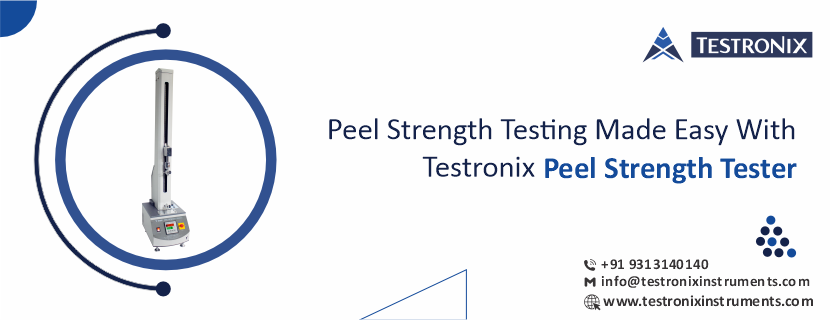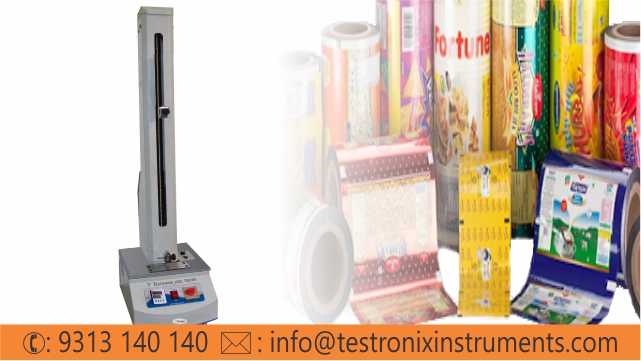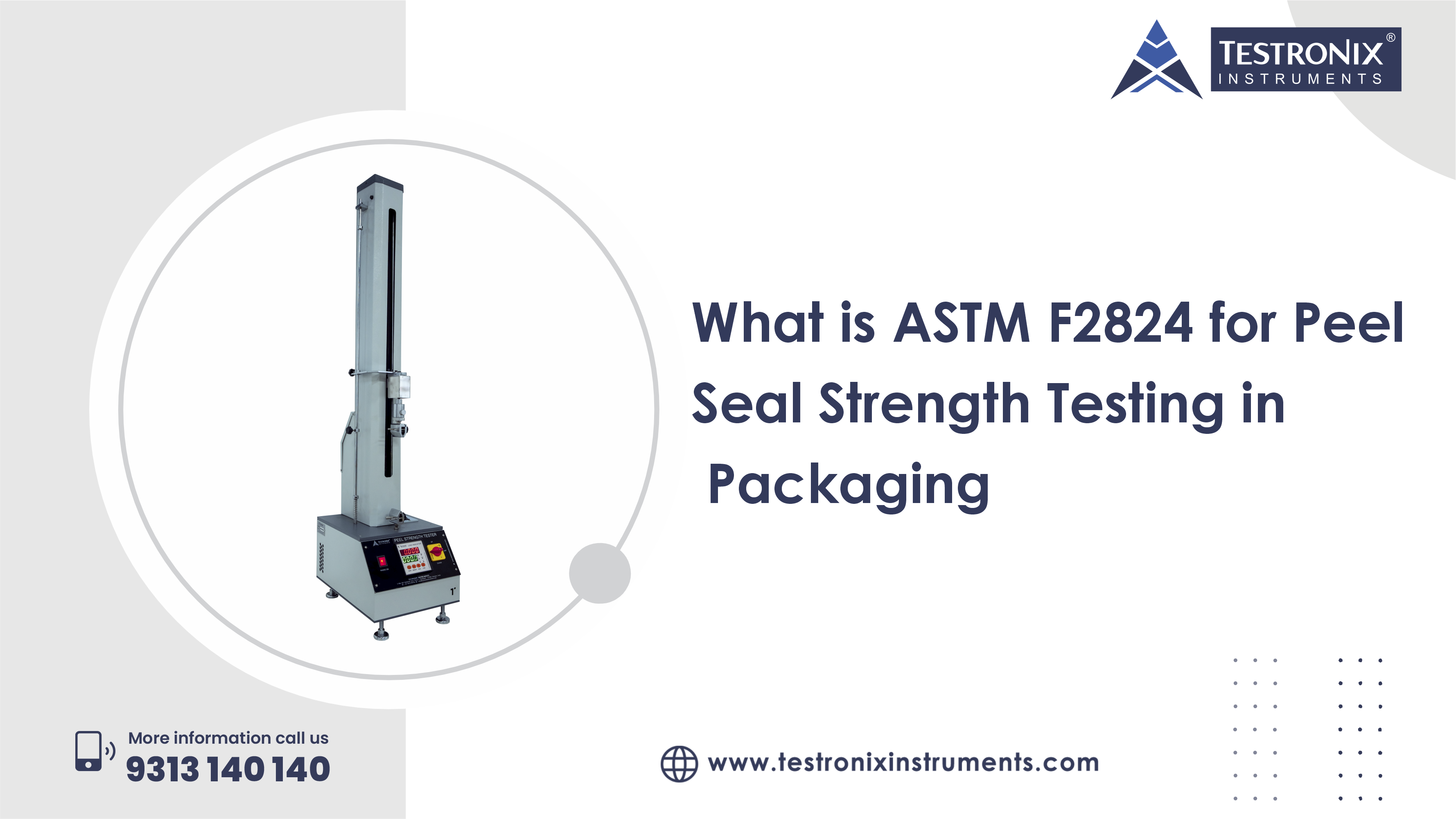
The seal integrity is critical in all kinds of packages, such as medical devices, pharmaceuticals, food, etc., since it would not only be resistant to contamination and leakage but also to damage to the interior. The power of the seal on the package determines the safety of the product and its shelf life. Thus, it is necessary to learn to determine the strength of the seal. ASTM F2824 is a standardized test method for determining the peel strength of flexible barrier material.
What is Peel Seal Strength Testing?
Seal strength testing, also known as peel seal testing, is a precise measurement of the mechanical force necessary to separate the sealed layers of a packaging item. Thus, it provides a quantitative value for the sealing of your product, which is intact and remains consistent across flexible, semi-rigid, and rigid sterile barriers.
This process yields a crucial quantitative measure, expressed in units of force per width (e.g., N/25mm or lbf/in), that reflects the product's seal integrity and overall strength. This test is necessary to make sure that packaging materials such as flexible pouches and bags and semi-rigid trays can withstand handling and keep their protective function.
What is ASTM F2824 Standard in Packaging?
ASTM F2824 is titled officially "Standard Test Method for Mechanical Seal Strength Testing of Round Plastic, Paper, or Composite Containers with Flexible Peelable Lids." This standard provides a logical approach to measuring the amount of force necessary to peel a flexible lid from a round plastic, paper, or composite container. These packaging formats are extensively used in:
-
Dairy products
-
Ready-to-eat foods
-
Beverages
-
Snack parts
-
Pharmaceutical and medical consumables
ASTM F2824 Standard Testing Procedure
The ASTM F2824 standard for measuring the mechanical seal strength of flexible, peelable lids applied to the top of round containers (such as cups or bowls) by subjecting them to a constant 45° angle pull until the entire lid is removed at the rate of 250 mm/min.
The test results provide both the maximum and average peel forces that demonstrate food and medical packaging to have sufficient easy-open characteristics without compromising the safety of the container.
1.1 This test method guides how to determine the strength of a mechanical seal by removing the complete lid or cover/membrane from either a rigid container or a semi-rigid container.
1.2 The difference between this test method and test method F88 is that the former tests full seal strength, while F88 only tests partial seal strength.
1.3 This test method is going to be used for identifying both the continuous force and maximum force necessary to remove a complete lid or cover/membrane from a container.
1.4 An angle of 45º is used for this test method; however, other angles can be used if they are recorded using the procedure and validated.
1.5 The typical container shapes that would undergo this testing include (but are not limited to) oval, rectangular, or circular with one or more cavities with a lid (cover) or a membrane that creates a sealed container.
1.6 The inch-pound values are considered standard values, and although they're also provided in parentheses as conversions to SI, they are not actual standards per se.
1.7 This standard does not attempt to address any safety issues (if any) related to the standard itself. The user of the standard bears full responsibility to establish appropriate safety, health, and environmental practices.
1.8 This international standard has been developed in conformity with internationally accepted principles and rules for the development of the International Standards, Guides, and Recommendations.
Benefits of Using ASTM F2824 Standard in Packaging
ASTM F2824 comprises several benefits such as verified seal integrity, optimized peelability, regulatory compliance & standardization, quality control & reduced waste and improved packaged design. Here are the benefits explained in detail:
-
Verified Seal Integrity
ASTM F2824 is utilized to identify weak seals, non-compliant seals, gaps, or pinholes that could potentially compromise packaging performance. Using an accurate measurement of peel strength allows manufacturers to ensure an airtight seal and a buffered barrier that provides maximum support of the quality, safety, sterility, and shelf life of the products within the packaging.
-
Optimized Peelability
The test measures precisely how much force is needed to open a package. The seal maintains adequate strength for transportation and handling stresses whilst permitting consumers or medical professionals to safely and conveniently open the package.
-
Regulatory Compliance & Standardization
Using ASTM F2824 enables manufacturers to comply with internationally recognized standards for production processes specified by ASTM International, which are particularly important for medical, sterile packaging, and packaged food products where documented validation and standard testing procedures are required before obtaining regulatory approvals.
-
Quality Control & Reduced Waste
By performing regular peel tests, manufacturers can quickly identify inconsistencies in seal quality during production. Once identified, manufacturers can identify the temperature, pressure, and dwell time used to seal the packages. This allows them to minimize the number of defective packaged goods as well as reduce the amount of spoiled product.
-
Improved Package Design
Engineers develop new methods to refine their material selection, seal layer composition, and packaging structure with precise measurement of peel strength. With repeatability of peel strength being established at a level consistent with the manufacturer's expectations, optimal performance, improved user experience, and reliable functionality are achieved under varying environmental conditions and through different shipping cycles.
Applications of ASTM F2824 Standard
The ASTM F2824 standard consists of different applications, such as food and beverage packaging, pharmaceutical and medical packaging, household products, manufacturing quality control, and package design development. Here are the applications described in detail:
-
Food and Beverage Industry
ASTM F2824 is a test method that evaluates peelable lids on cups of yogurt, creamers, single-serving coffee, and ready-to-eat food trays. The scope of the standard covers ensuring that lids are sealed or bonded in a manner capable of allowing packaging to remain sealed during normal storage and shipping from the manufacturer to the consumer. The standard allows the consumer to easily open the package without tearing and spilling contents from within.
-
Pharmaceutical and Medical Packaging
This standard verifies the integrity of seals on sterile barrier systems such as sealed pouches/trays used for a medical device. The packaging is designed to maintain sterility until the product is used, thus preventing contamination of the product and ensuring patient safety and compliance with applicable laws.
-
Household Products
ASTM F2824 tests peelable or sealed lids of containers for household products (cleaners, fresheners, etc.). The standard ensures that seals remain intact during handling and shipment to the consumer while allowing them to easily open the package.
-
Manufacturing Quality Control
In manufacturing settings, the tests assist in identifying any defective seals or variations in machine settings due to the maximum and average peels required for proper heat seal adhesion. The tests help manufacturers determine where adjustments must be made in the production process to maintain a consistent level of quality in their products.
-
Package Design Development
ASTM F2824 is used by engineers in comparing the lid material, adhesive, and type of container in the process of designing the container. The collection of data related to the peel strength helps them improve the execution of the container design in terms of durability, facilitation of use, and confirmation that the package addresses the performance requirements during shipping and storage.
Conclusion
The ASTM F2824 test technique of determining the strength of peel seals on flexible packaging is a significant measure of the performance of flexible packaging seals. It offers manufacturers an avenue to ensure that their flexible package seals are safe, in conformity with regulations, and simple to use.
For products where packaging integrity is directly related to the quality and safety of the product, ASTM F2824 provides a reliable method to validate peel seal strength. Testronix Instrument is a trusted manufacturer where industries can purchase testers for measuring peel seal strength in laboratories.